Large Print
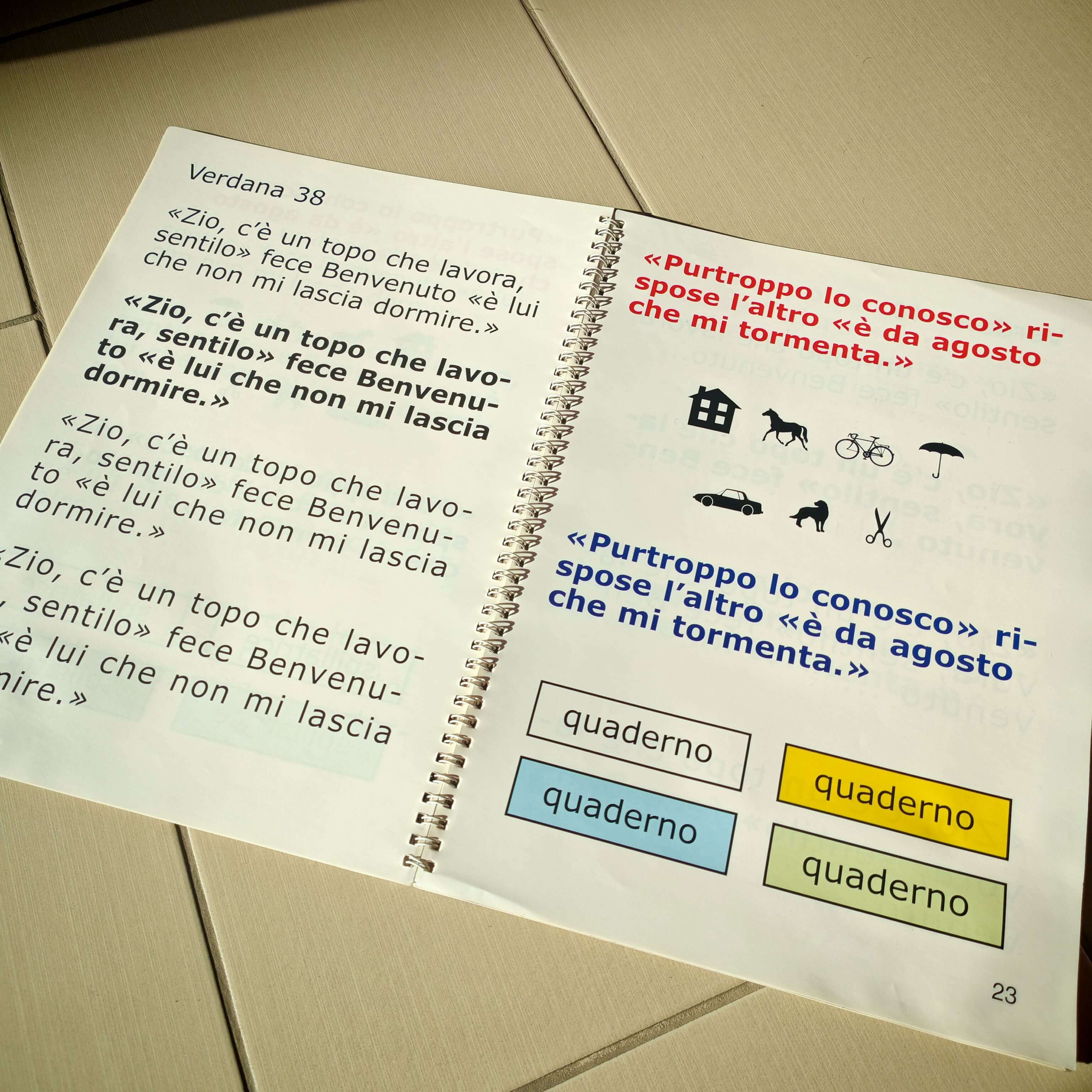
Il Large Print è un sistema di impaginazione e stampa a caratteri ingranditi, che permette la lettura di un testo agli ipovedenti che detengono ancora un discreto visus residuo. Si tratta di un sistema di "recente" introduzione, in quanto legato alla diffusione dei sistemi informatici e dei programmi di videoscrittura che consentono numerose funzioni di formattazione ed impaginazione di un testo.
Il testo viene impaginato, corredato di immagini, disegni, stili e quant'altro occorre per renderlo il più verosimile possibile al testo originario. A differenza del Braille, che è uguale per tutti i non vedenti, il Large Print viene adattato e personalizzato secondo le esigenze e le necessità visive di ciascun ipovedente.
Ne risulta che di uno stesso testo possono esserci più versioni di Large Print, differenti nelle dimensioni del carattere, nell'uso del colore, nella spaziatura tra le righe e così via.
La Stamperia generalmente realizza testi che vanno dal corpo carattere 18, sino al corpo carattere 48. Di norma le indicazioni sul corpo di scrittura adatto al singolo ipovedente e tutte le altre caratteristiche del testo da realizzare vengono date da un medico oculista o un ortottista.
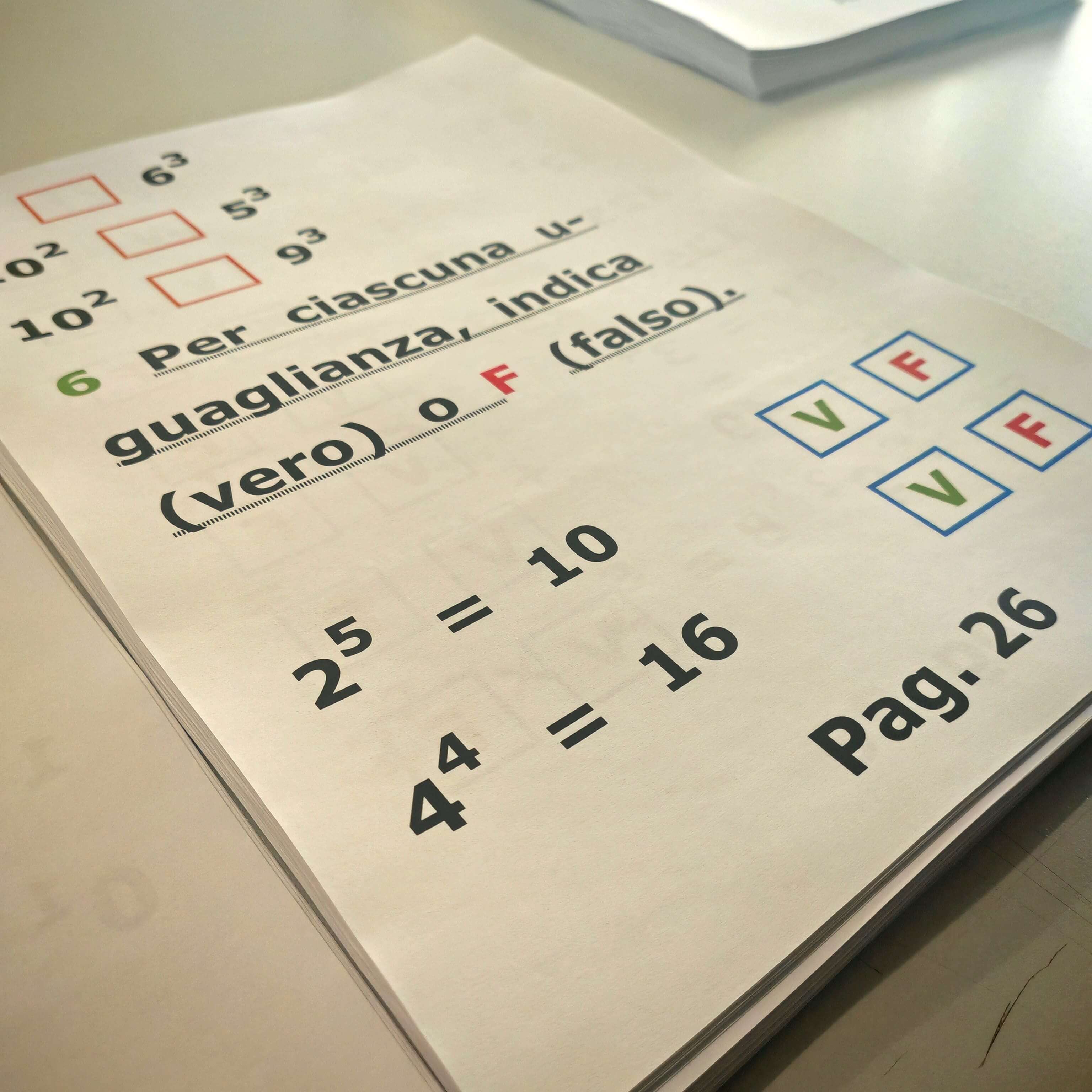
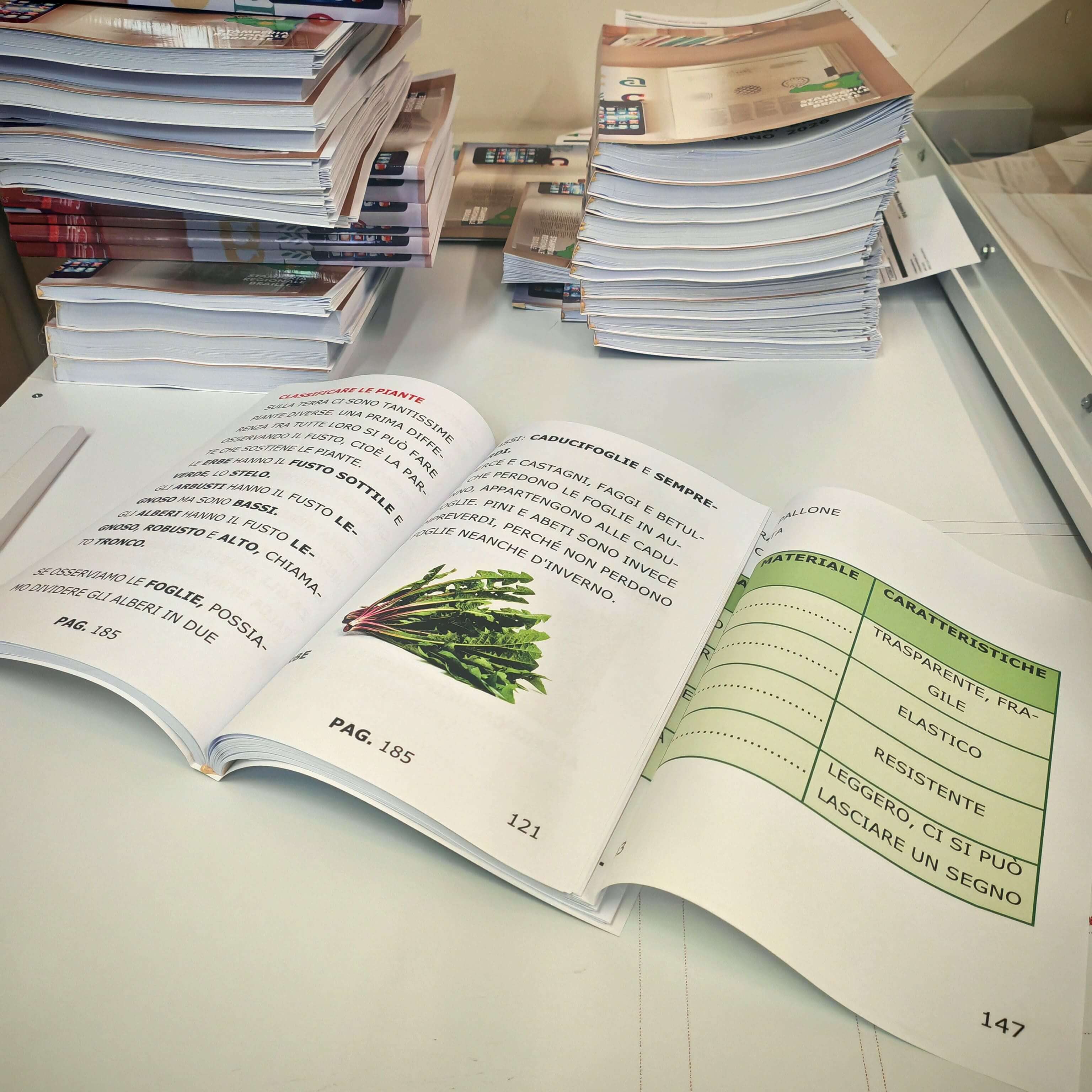
Stabilite le caratteristiche di formattazione, il testo viene elaborato ed impaginato secondo le indicazioni richieste: ad esempio, vengono ricostruite tabelle, grafici, vengono applicati colori e sfondi percepibili dall'ipovedente, al fine di realizzare un testo personalizzato secondo le esigenze del singolo ipovedente.
Non tutte le immagini presenti in nel testo editoriale possono essere trattate e quindi adattate per l'ipovedente, di conseguenza da un testo vengono selezionate solo le immagini nitide e strettamente necessarie alla comprensione del testo stesso e su di esse vengono eseguite delle operazioni di fotoritocco per una migliore percezione da parte dell'utilizzatore
I testi vengono poi impaginati e stampati su formato A4 (per i corpi da 18 a 30) e B4 (dal 30 al 48), alcuni grafici, immagini e tabelle particolarmente grandi vengono stampati su formato A3. Tutti i testi, tranne differente richiesta dell'utente, vengono stampati a colori e in fronte-retro.
Testo normale corpo 12
Testo in Large Print corpo 18
Testo in Large Print corpo 24
Testo in Large Print corpo 30
Testo in Large Print corpo 36
Testo in Large Print corpo 42
Testo in Large Print corpo 48