2.1 BRAILLE e NEROBRAILLE
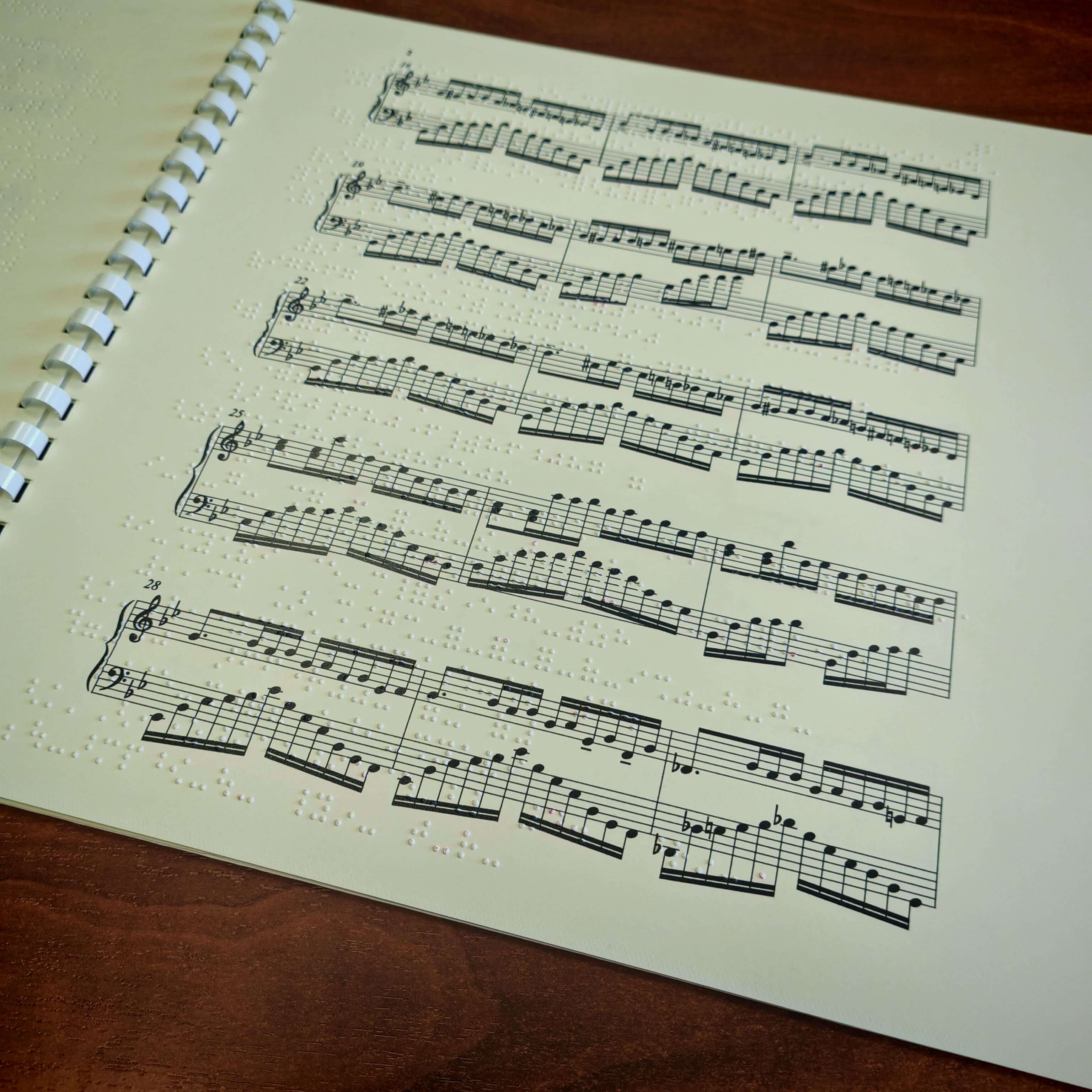
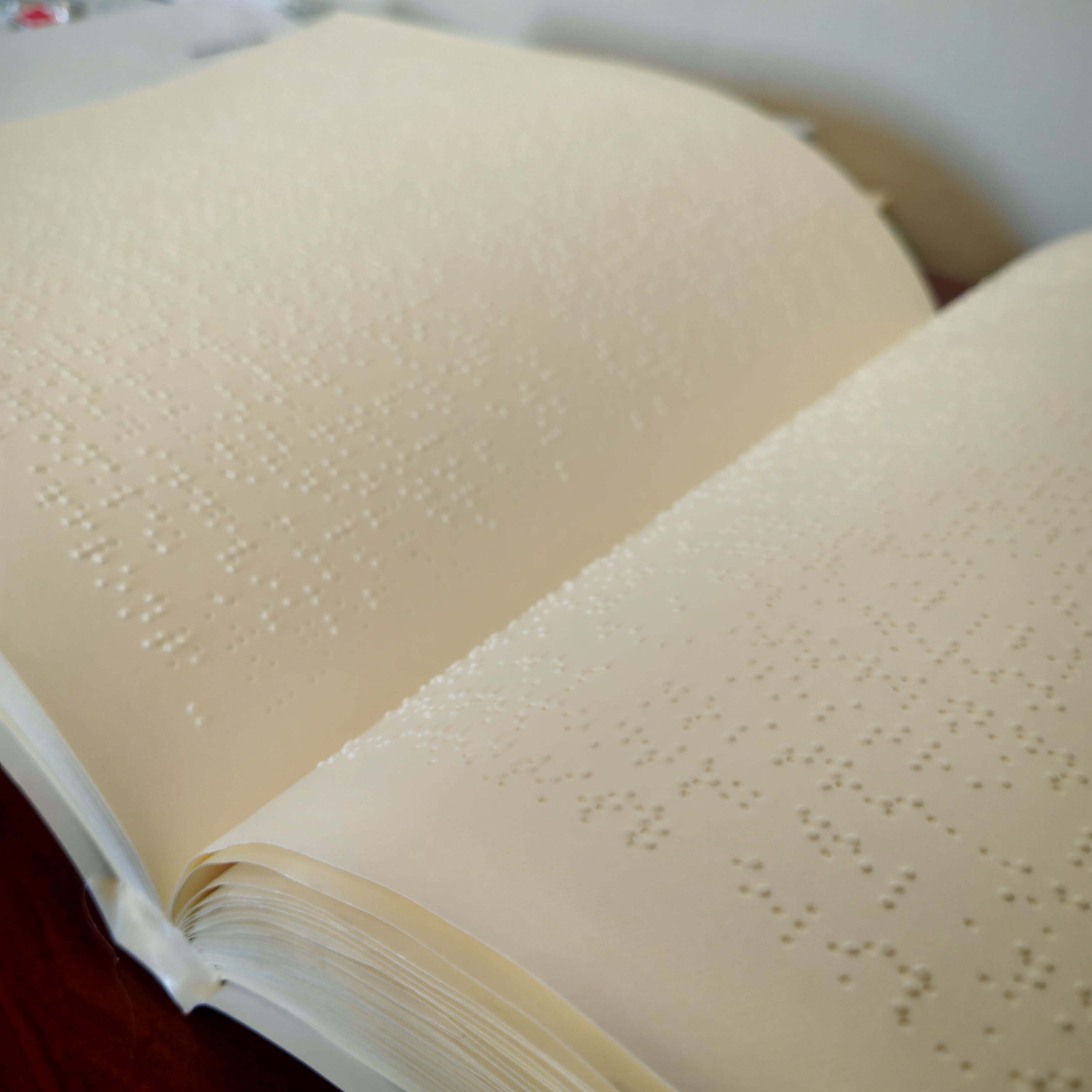
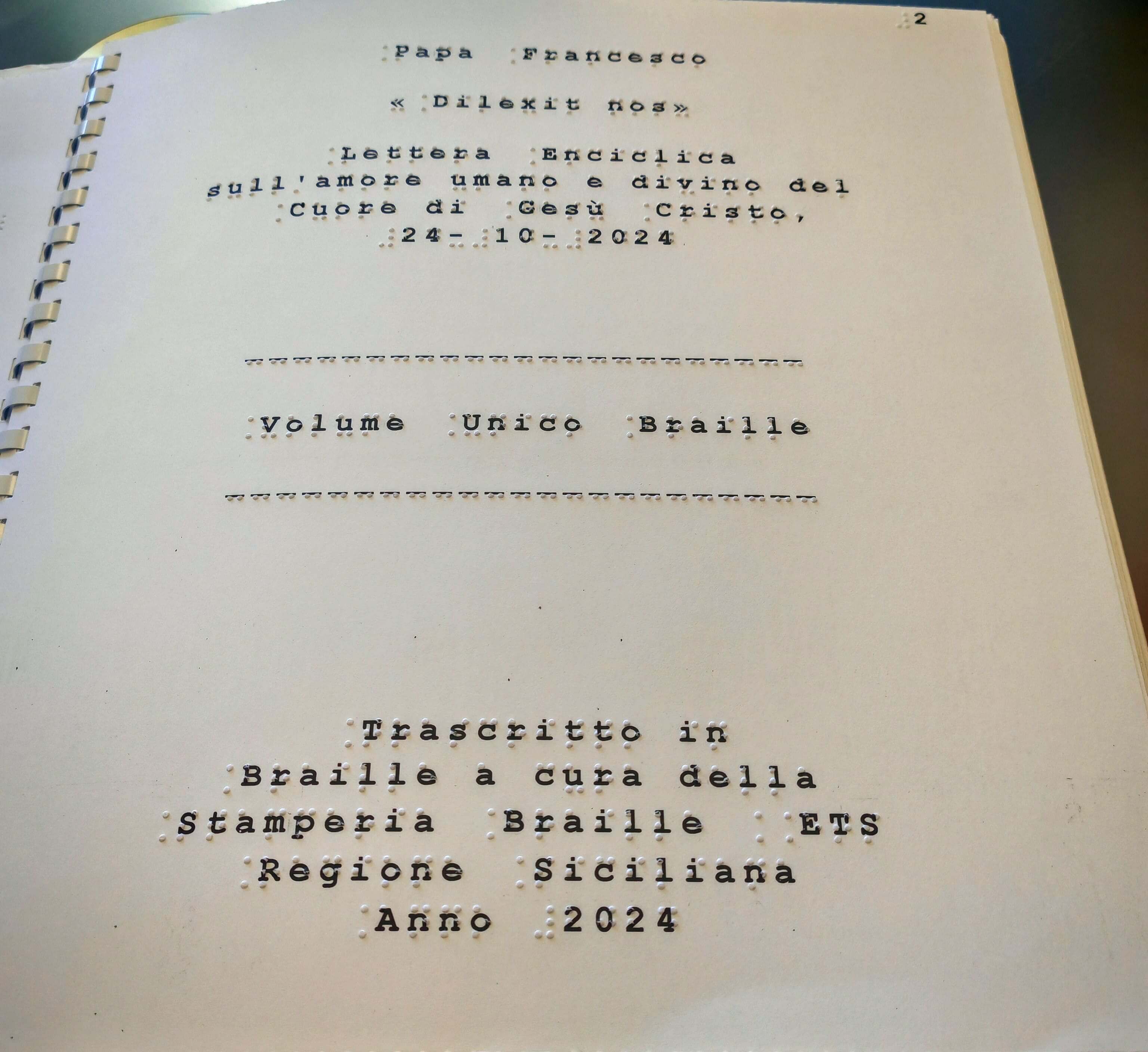
Il Braille è un sistema di lettura e scrittura in rilievo, ideato da Louis Braille intorno al 1821, che ha consentito ai non vedenti di poter leggere e scrivere affrancandosi da secoli di emarginazione sociale e culturale. È costituito dalla combinazione di sei punti disposte secondo precise misure e spaziature su un rettangolo ideale denominato "casellino"; le varie combinazioni consentono di realizzare sino a 64 caratteri dal significato universale ed univoco. A quasi duecento anni dalla sua invenzione, il Braille è ancora oggi il principale e insostituibile strumento di integrazione per i ciechi di tutto il mondo.
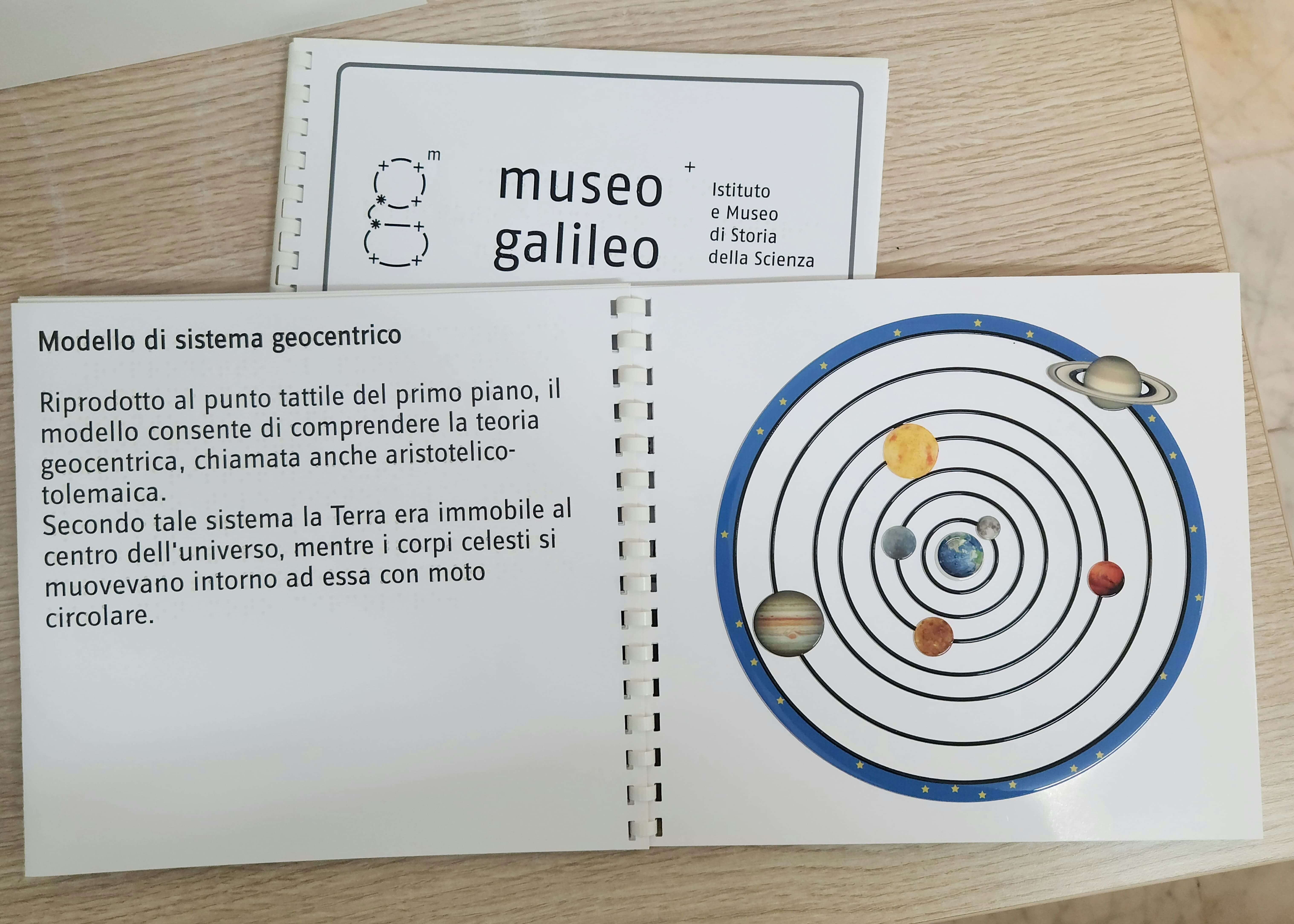
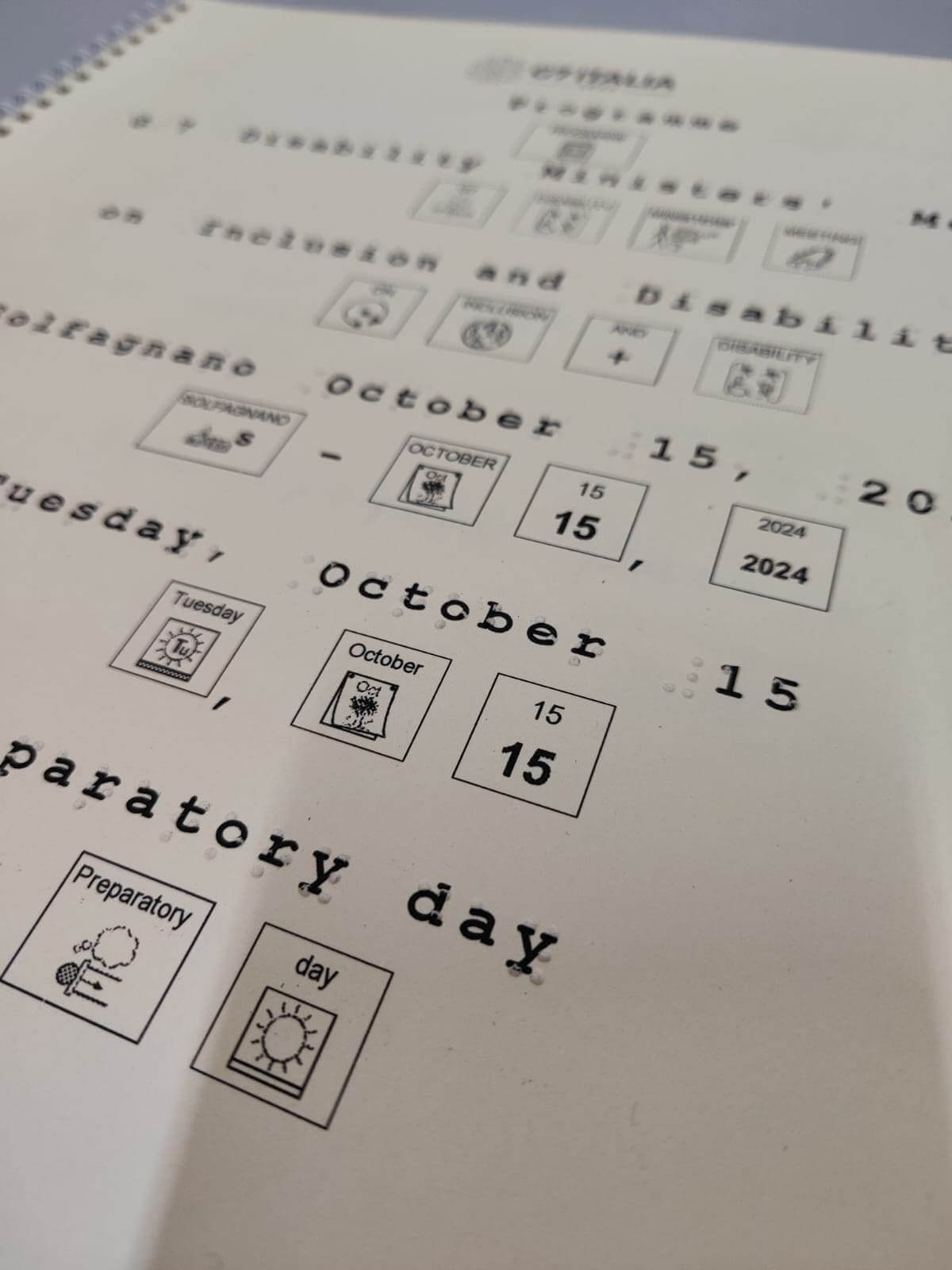
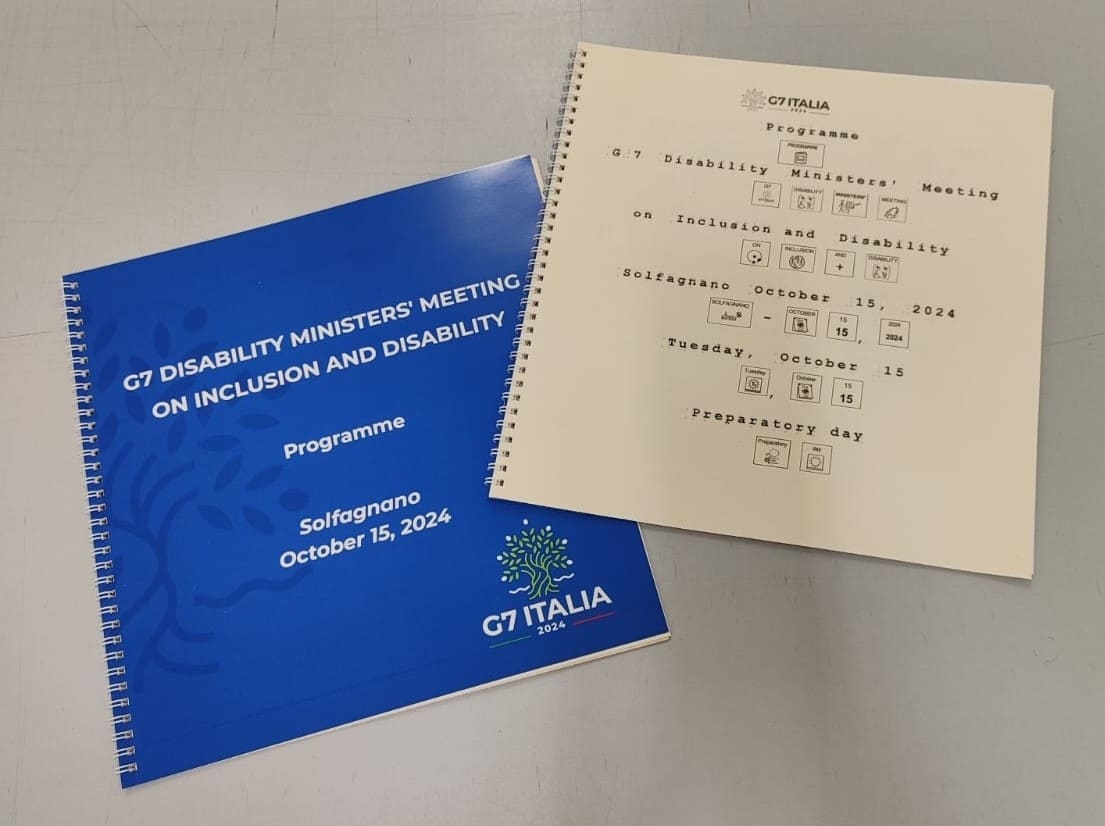
La preparazione del testo da trascrivere in Braille è curata da un esperto tiflopedagogista. Non si tratta di una semplice copiatura del testo, ma di una vera e propria rielaborazione ed adattamento di tutto il testo, con particolare riguardo a tabelle, immagini, grafici, formule e a tutto ciò che ha un riferimento visivo e che deve essere adeguato per renderlo comprensibile al non vedente.
Una volta rielaborato, digitato e corretto il file è pronto per la stampa e la distribuzione.
NeroBraille
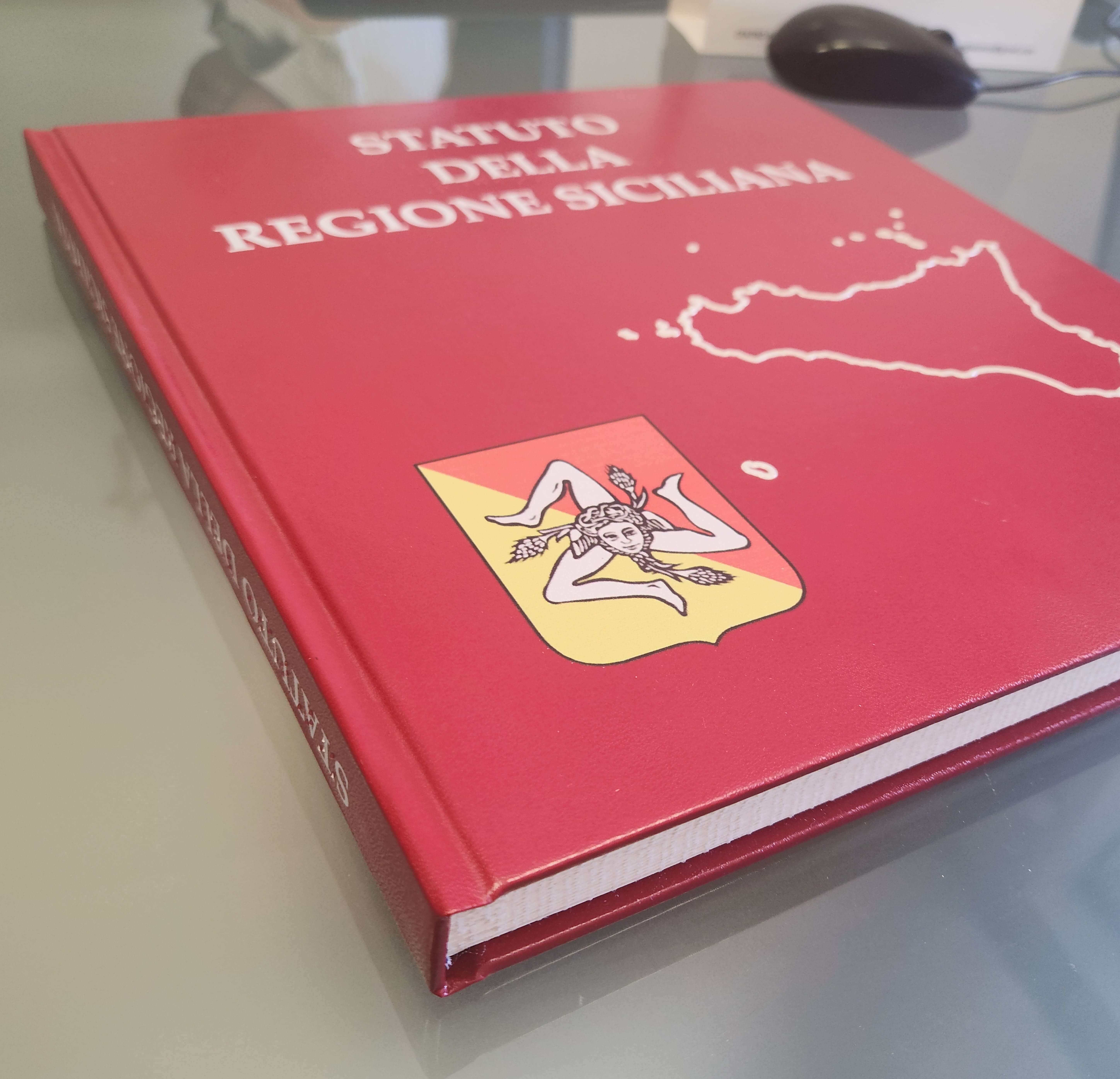
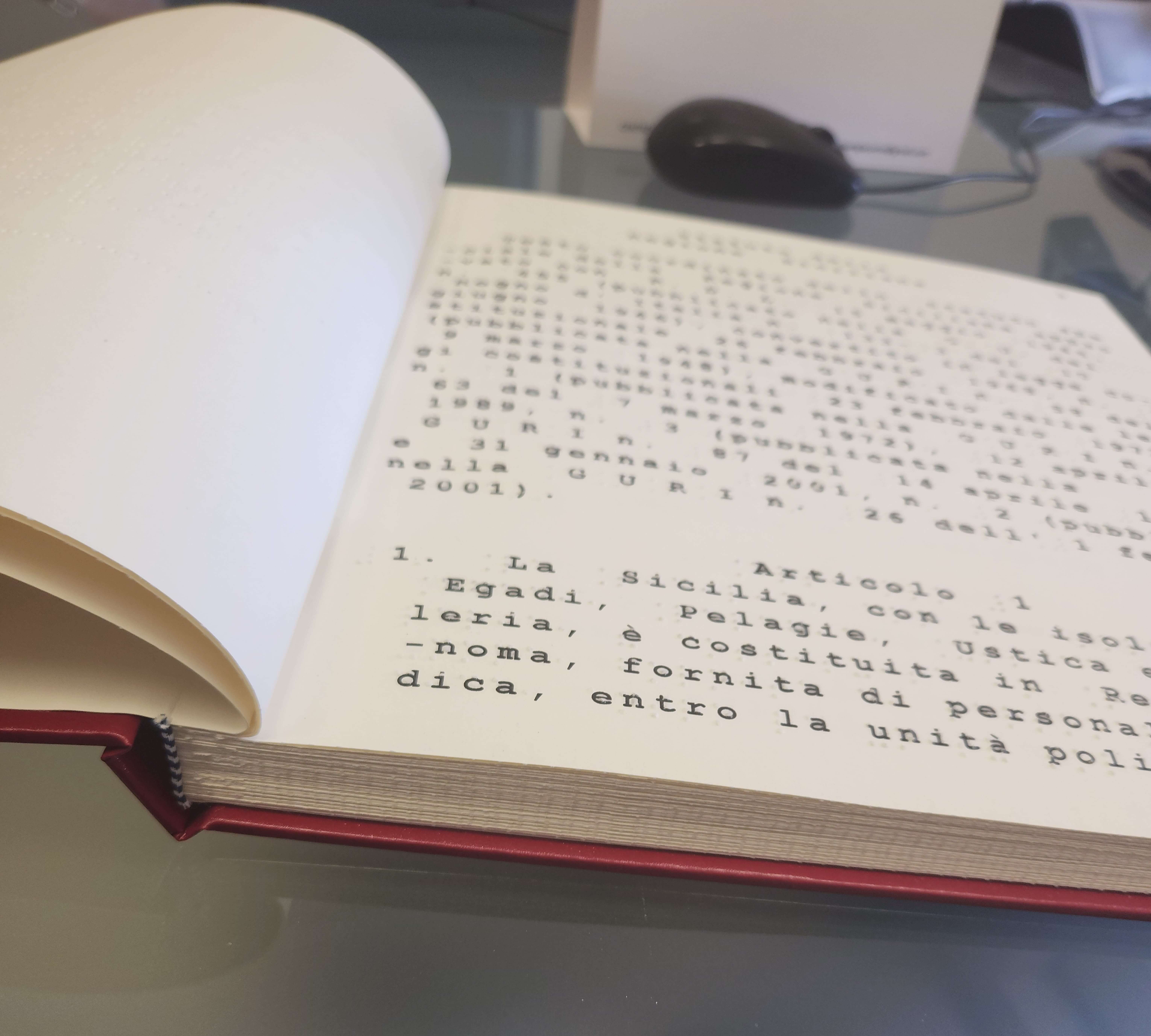
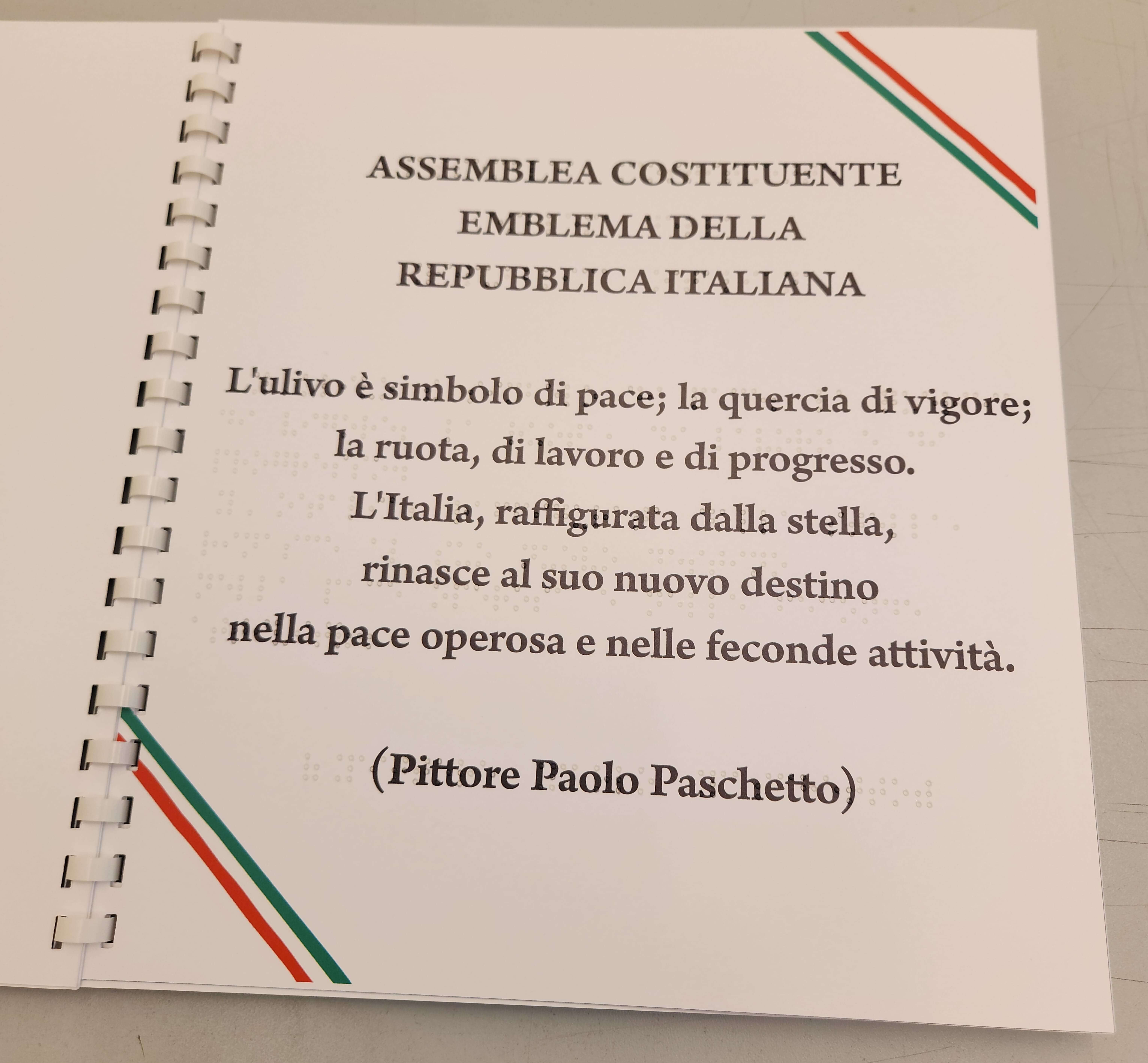
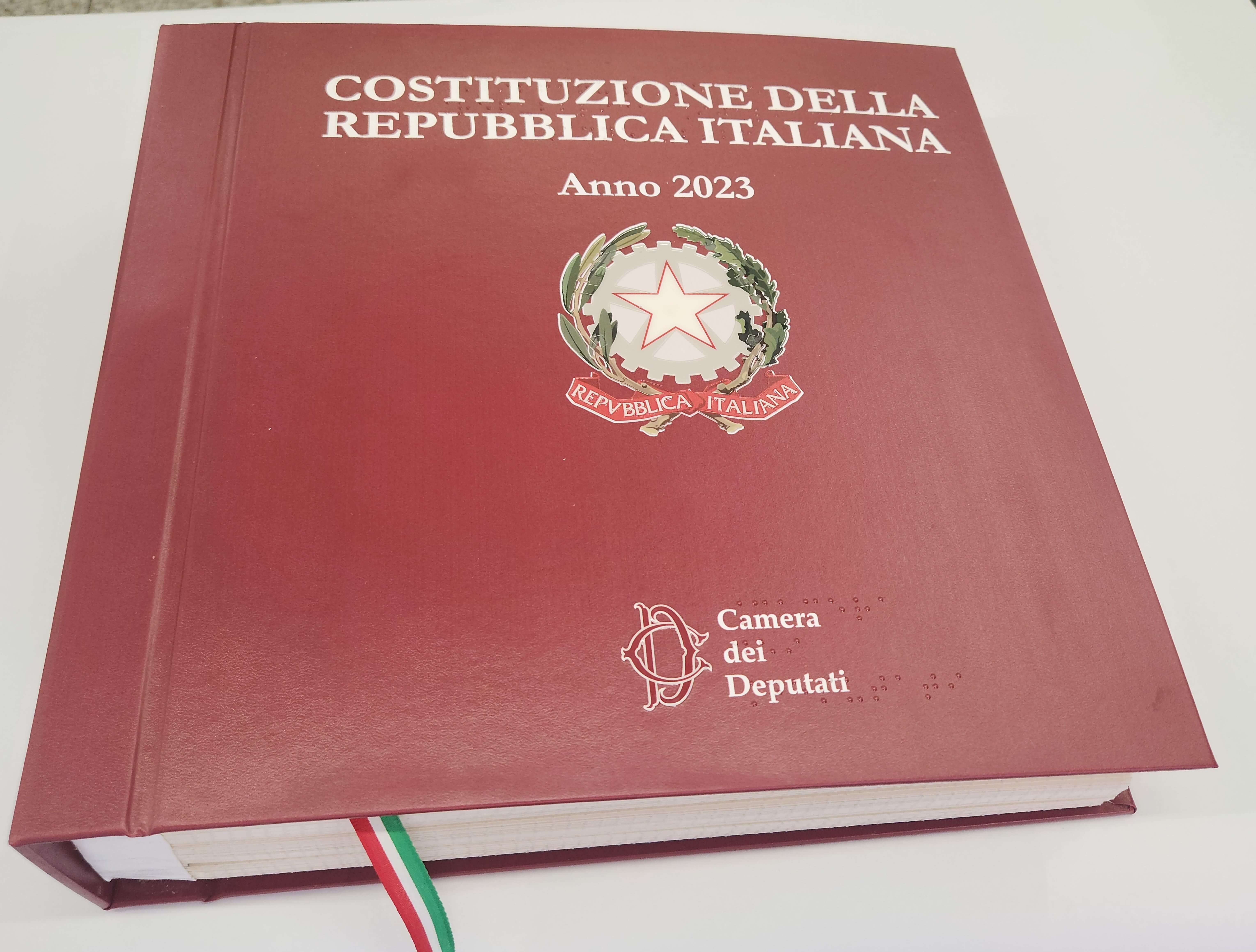
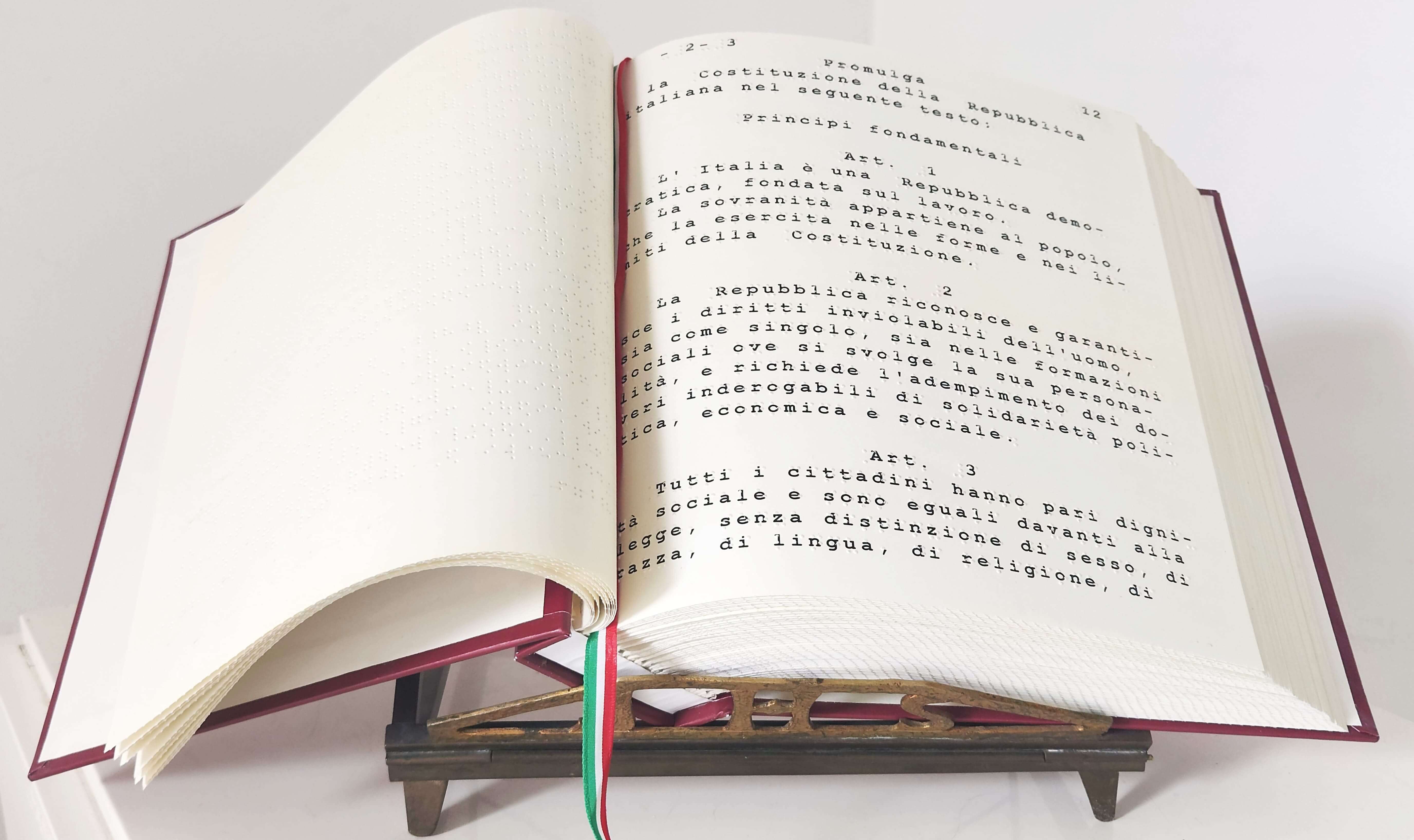
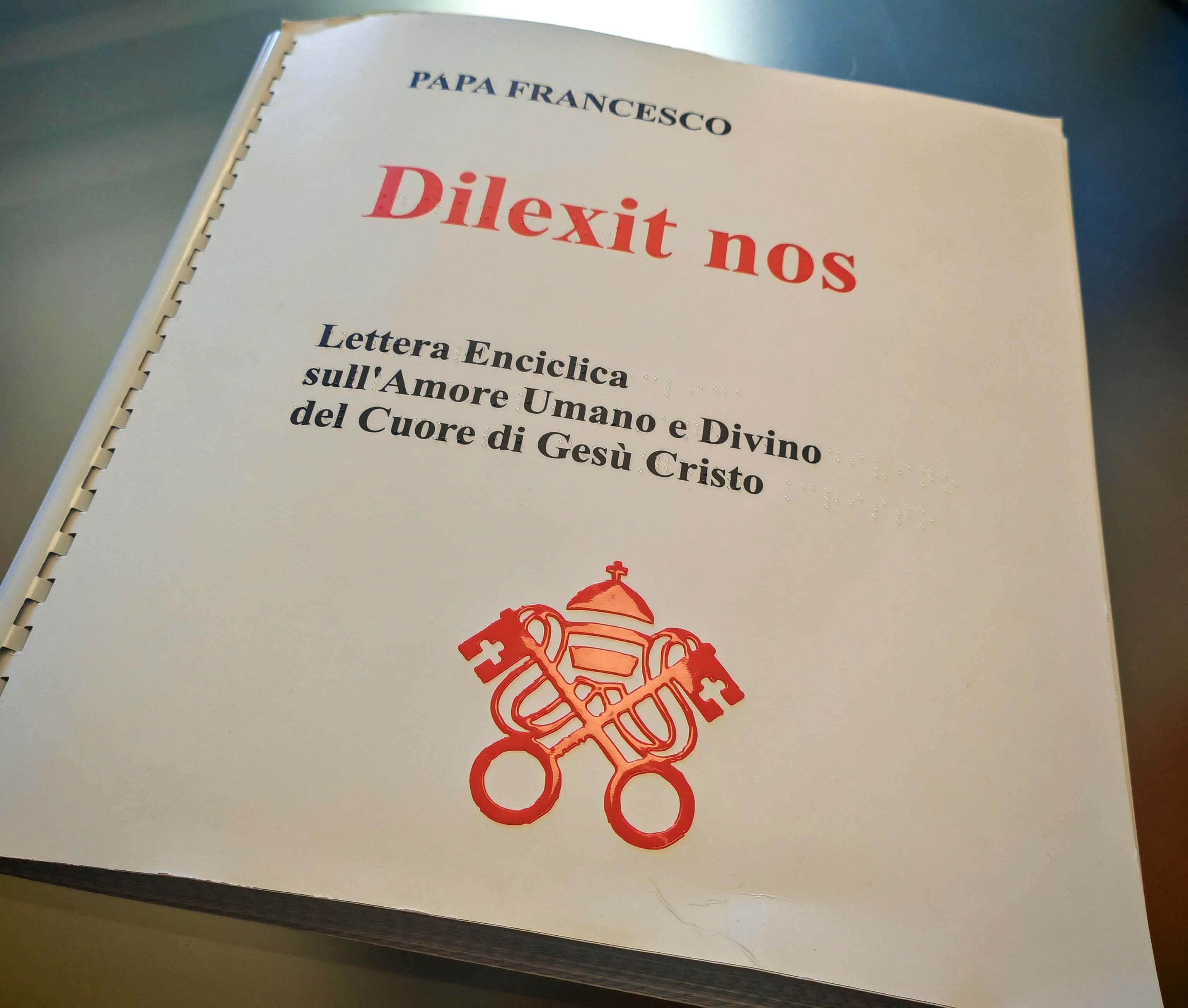
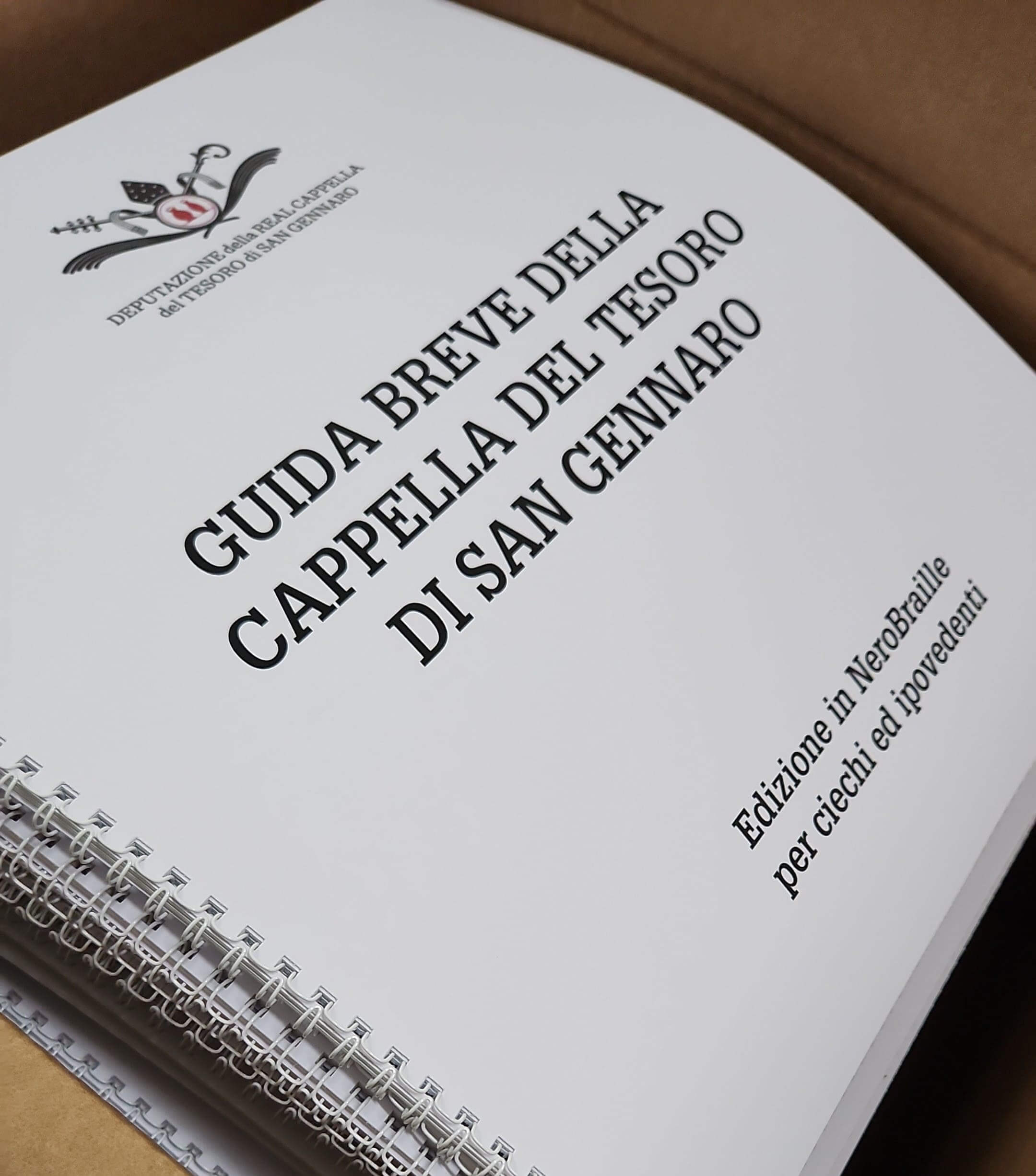
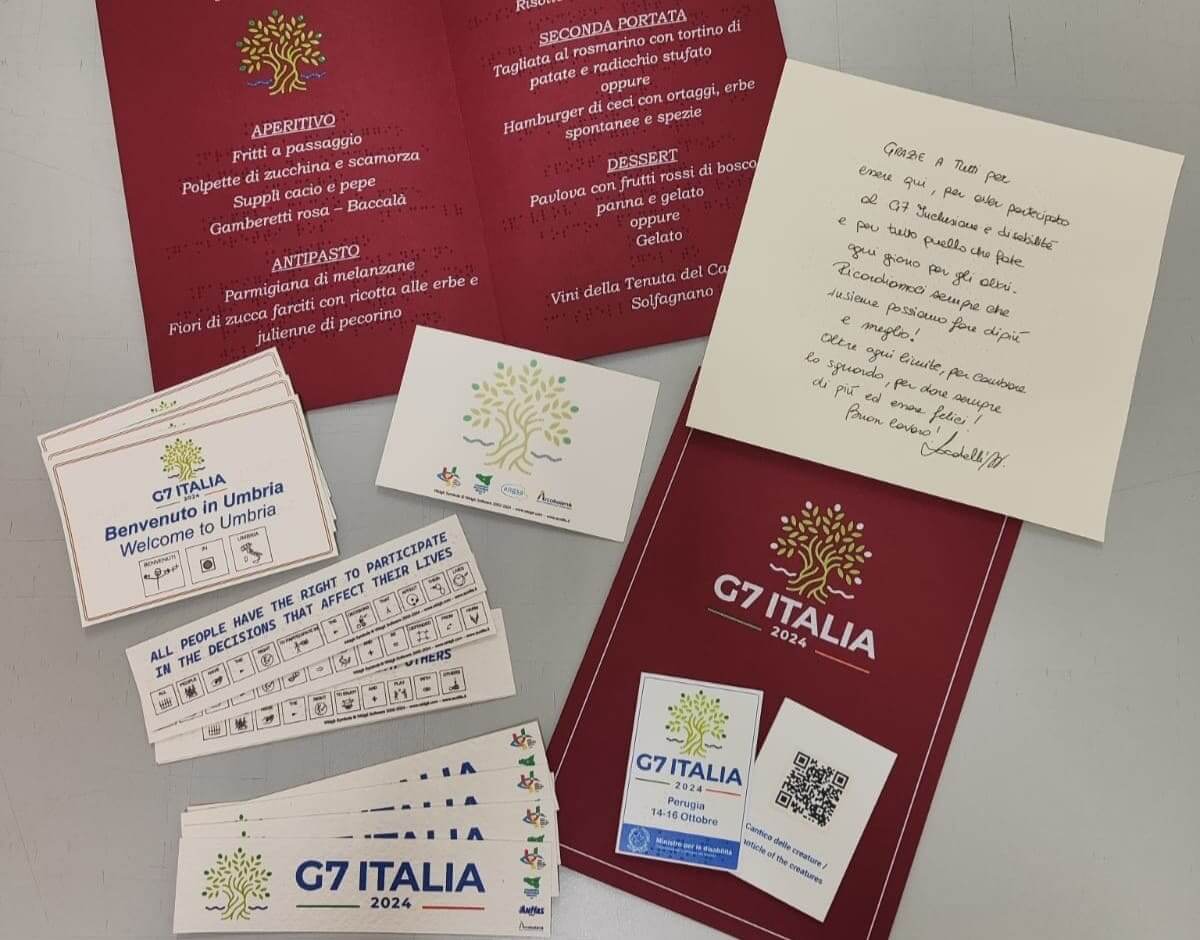
I testi in stampa congiunta NeroBraille permettono la fruizione condivisa del testo da parte di non vedenti, normovedenti ed ipovedenti non gravi, grazie alla doppia stampa Braille e in caratteri ingranditi sovrascritti e coincidenti con il Braille. È particolarmente indicata per aiutare i più piccoli nell’apprendimento del Braille all’inizio della scuola primaria, in quanto consentono agevolmente la lettura anche all’insegnante o ai genitori.
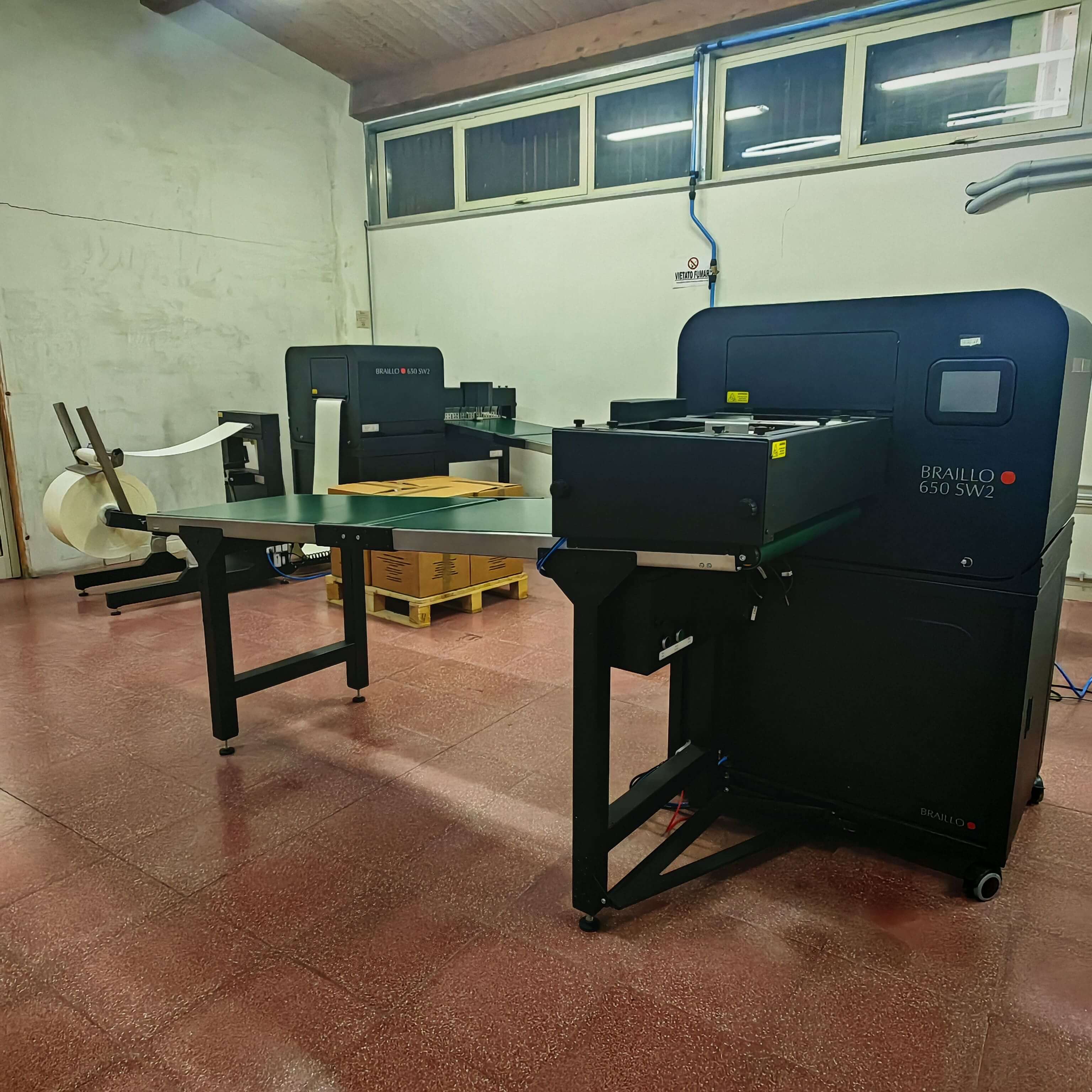
La Stamperia produce in Braille testi scolastici ed extrascolastici ed offre anche il servizio di stampa e spedizione di pubblicazioni Braille a cadenza periodica. Per la stampa in Braille e NeroBraille la Stamperia si avvale di moderni impianti di produzione semi-industriale, che consentono diverse tipologie di finitura secondo le necessità di produzione.