Testi in formato elettronico
L'introduzione di nuovi dispositivi elettronici per non vedenti, quali il Display Braille (o Barra Braille) e la sintesi vocale hanno consentito a tanti non vedenti di poter utilizzare computer e tablet anche per la lettura dei testi.
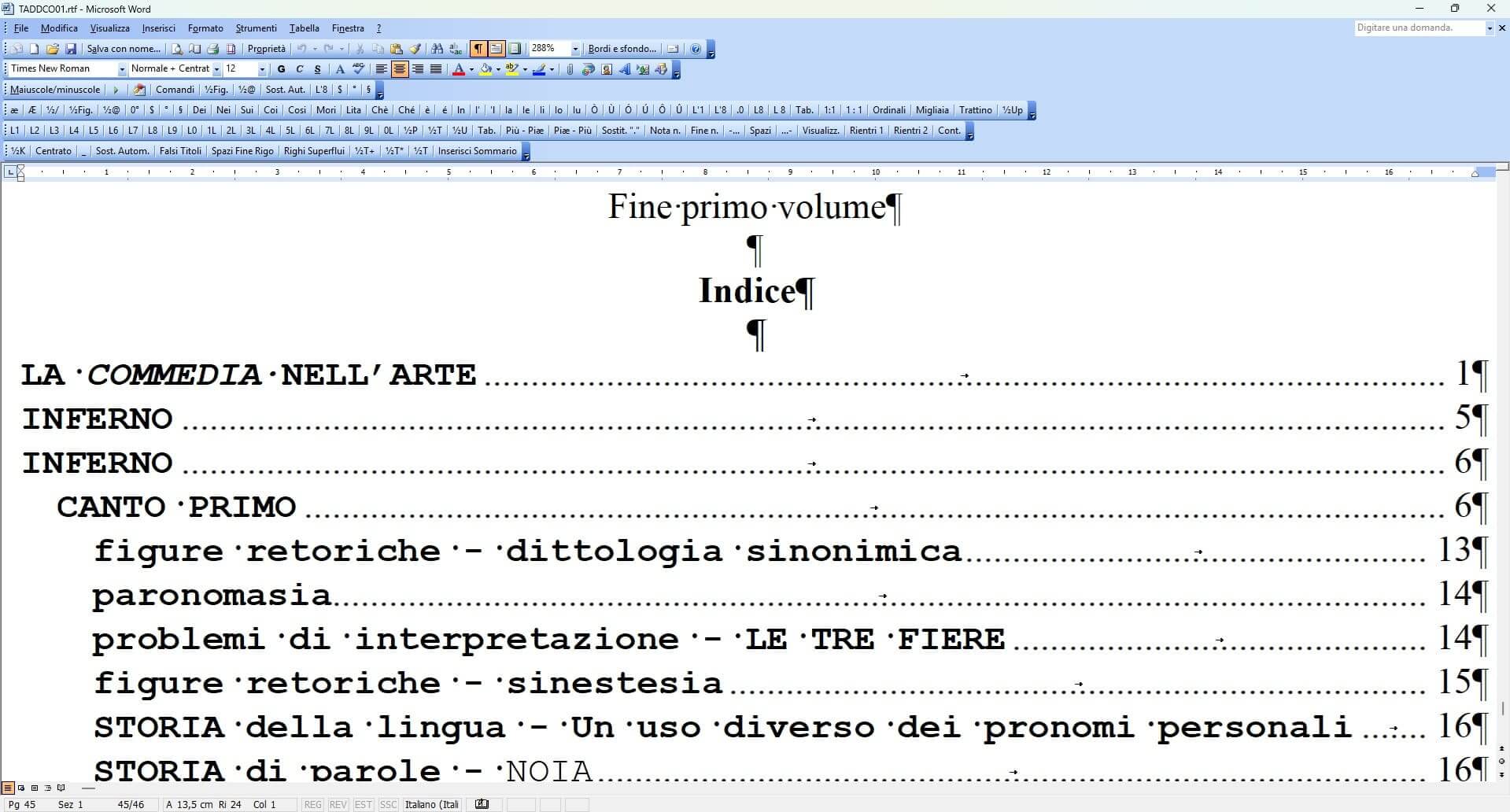
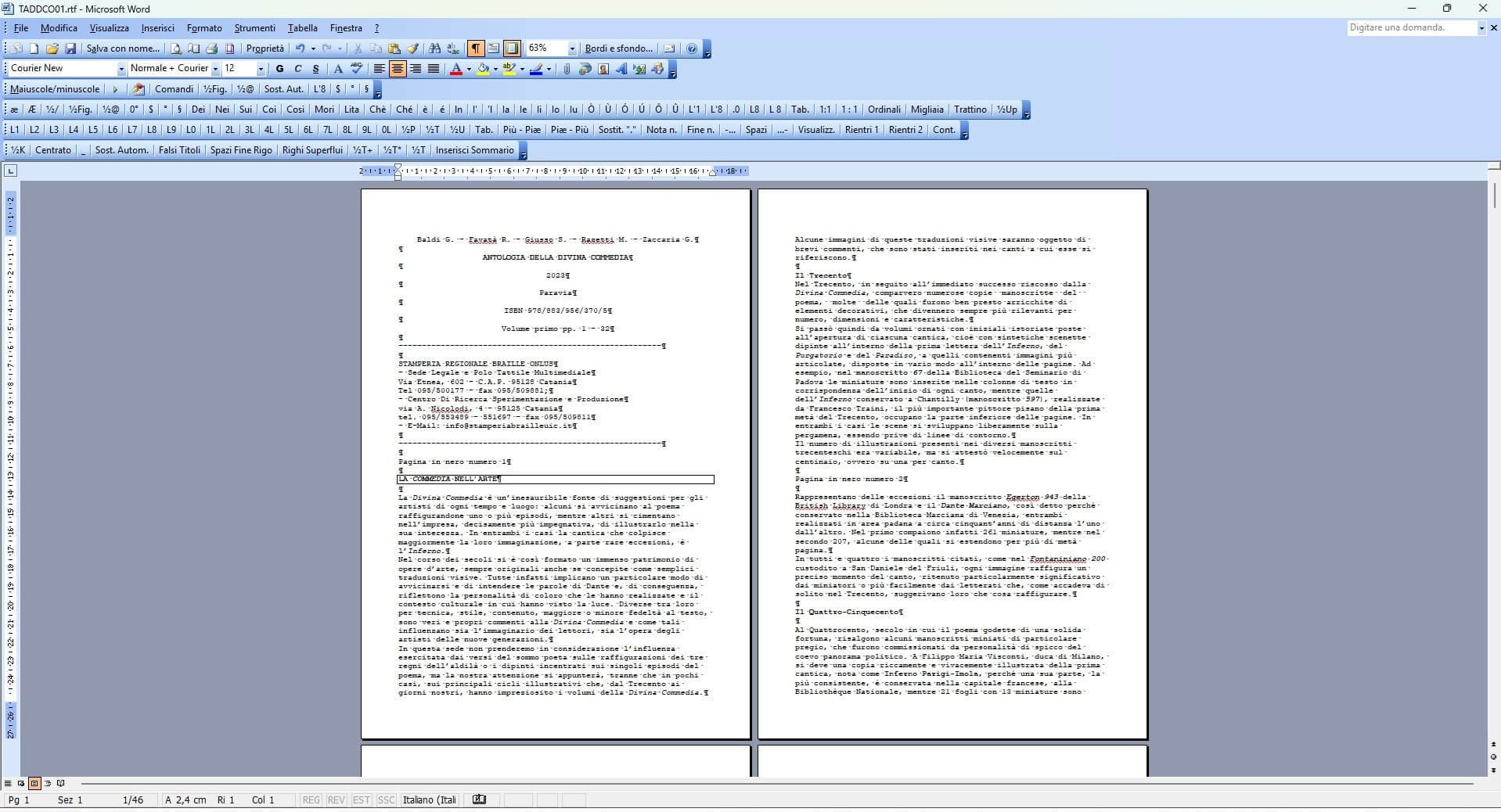
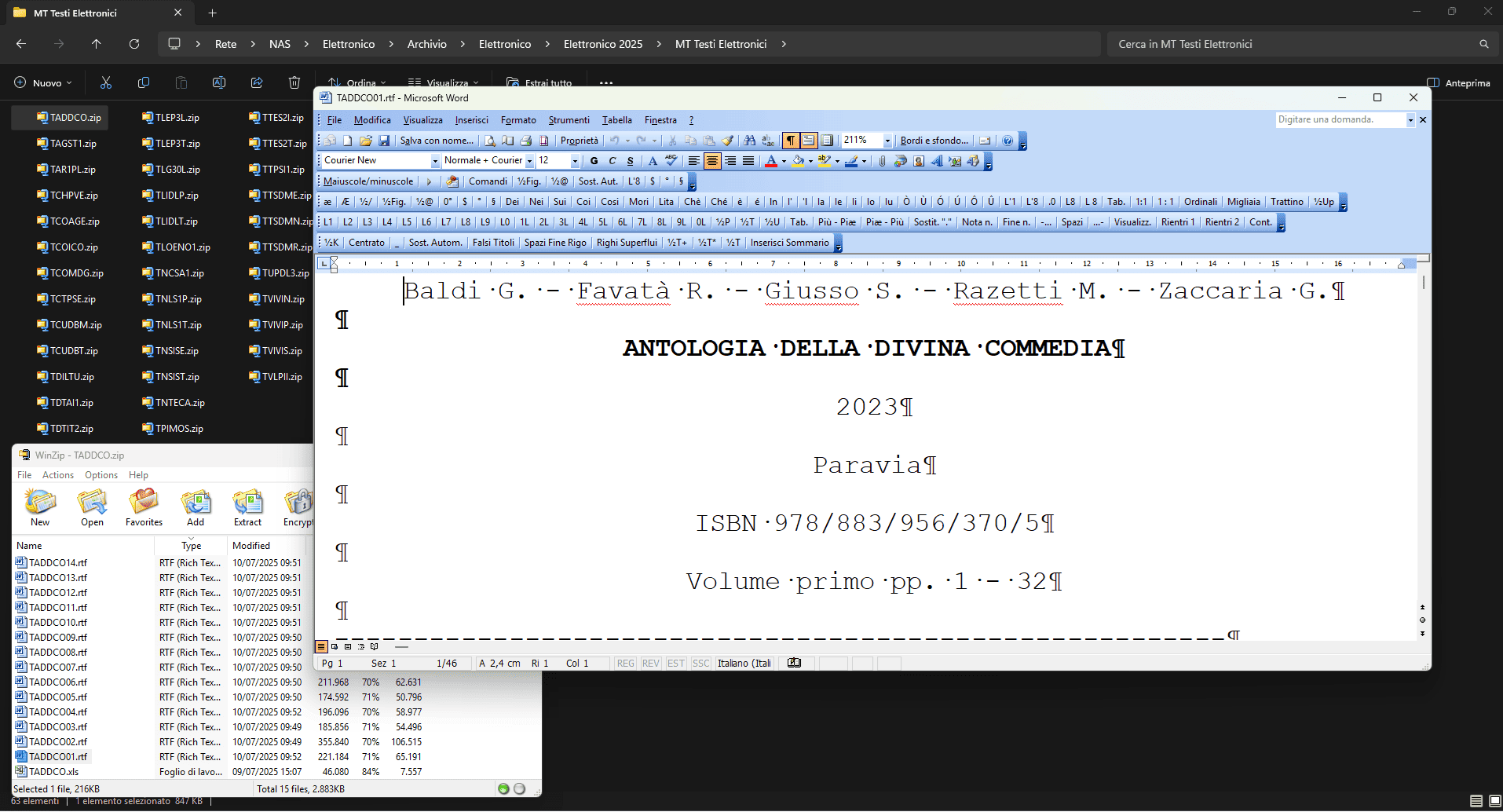
I testi in formato elettronico sono dei file di testo che sono stati adattati con particolari codifiche simili a quelle utilizzate per l'impaginazione dei testi Braille in formato cartaceo. Ciò ne consente la lettura sui display braille oppure l'ascolto tramite sintesi vocale.
Display Braille: Si tratta di un dispositivo che può essere collegato al PC tramite porta USB (alcuni modelli funzionano autonomamente senza bisogno di computer). Si compone generalmente di una riga di 40 caratteri braille. Ogni carattere è composto da 8 punti piezoelettrici (6 per il Braille standard e 2 per il Braille informatico ad 8 punti) che abbassandosi o sollevandosi riproducono i caratteri presenti sullo schermo. Tramite dei tasti cursore il non vedente può spostarsi all'interno del documento e leggere il testo riprodotto sulla riga Braille.
Sintesi vocale: si tratta di un software che vocalizza tutte le funzioni a schermo di computer e dispositivi quali tablet e smartphone. Interagisce con i comandi e le posizioni del mouse, con le finestre di Windows e con i principali programmi di videoscrittura e di calcolo. L'utilizzatore può selezionare diverse opzioni relative al timbro, al volume e alla velocità di lettura, secondo le sue necessità.