Accessibilità e fruizione
L’autonomia e l’integrazione sociale e lavorativa ottenuta negli ultimi decenni dai non vedenti e ipovedenti ha dato impulso ad una crescente necessità di rendere accessibili e fruibili le strutture pubbliche e private, quali aeroporti, stazioni, uffici pubblici, musei e strutture ricettive, attraverso l'abbattimento di barriere architettoniche, la creazione di percorsi guidati e l'installazione di una adeguata segnaletica.
In tale contesto si inseriscono le mappe tattili e le targhette identificative in Braille e caratteri ingranditi.
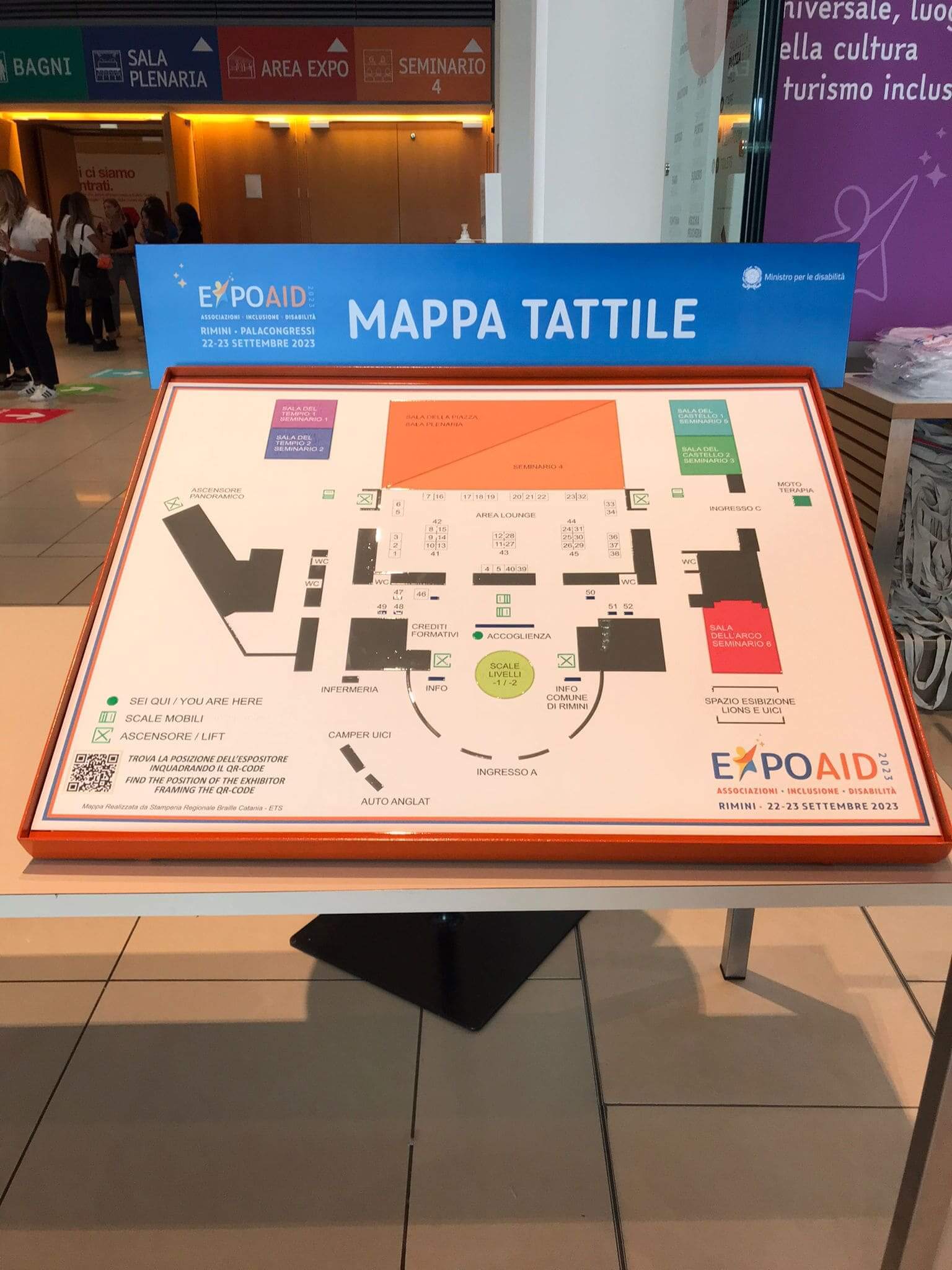
Mappe Tattili
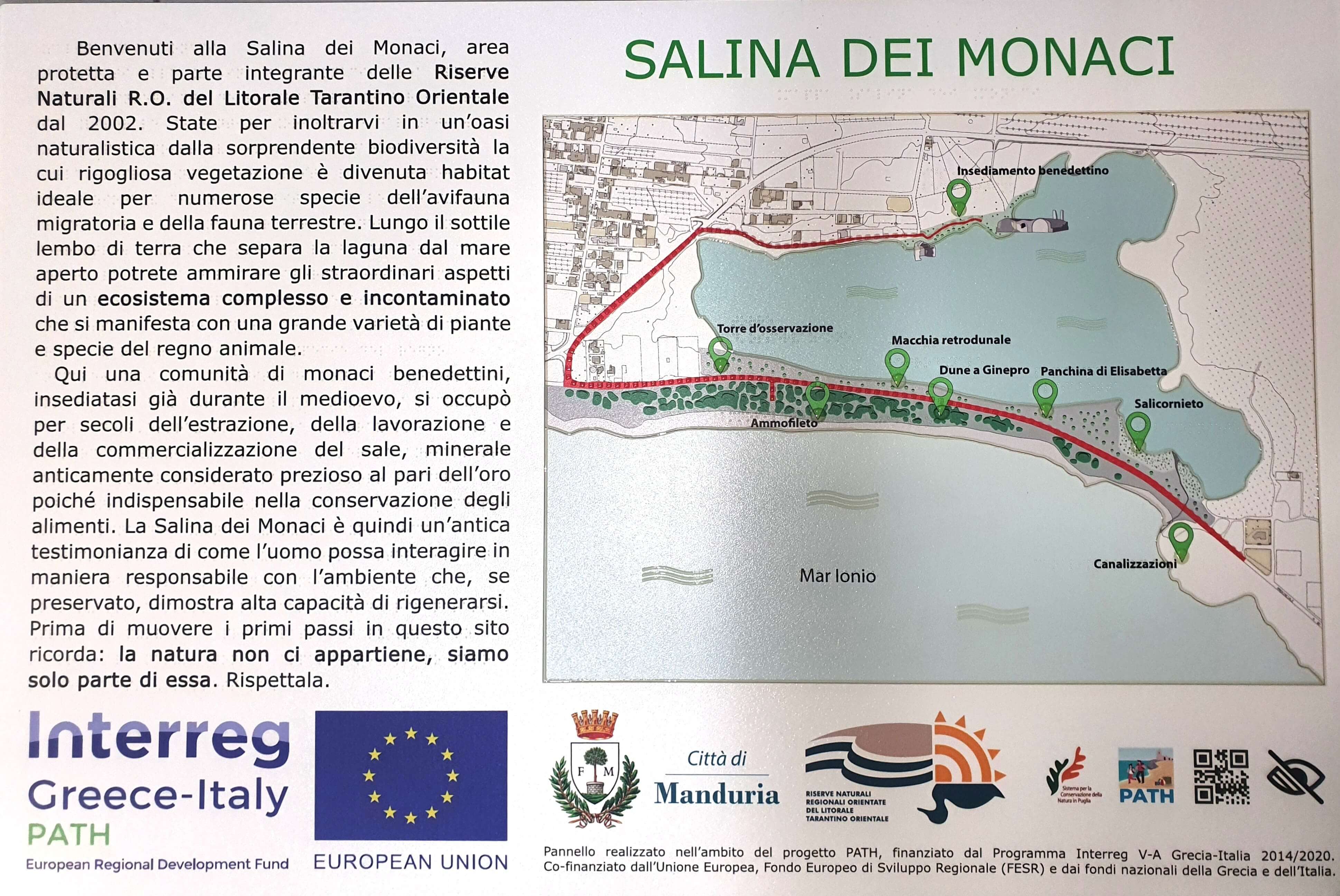
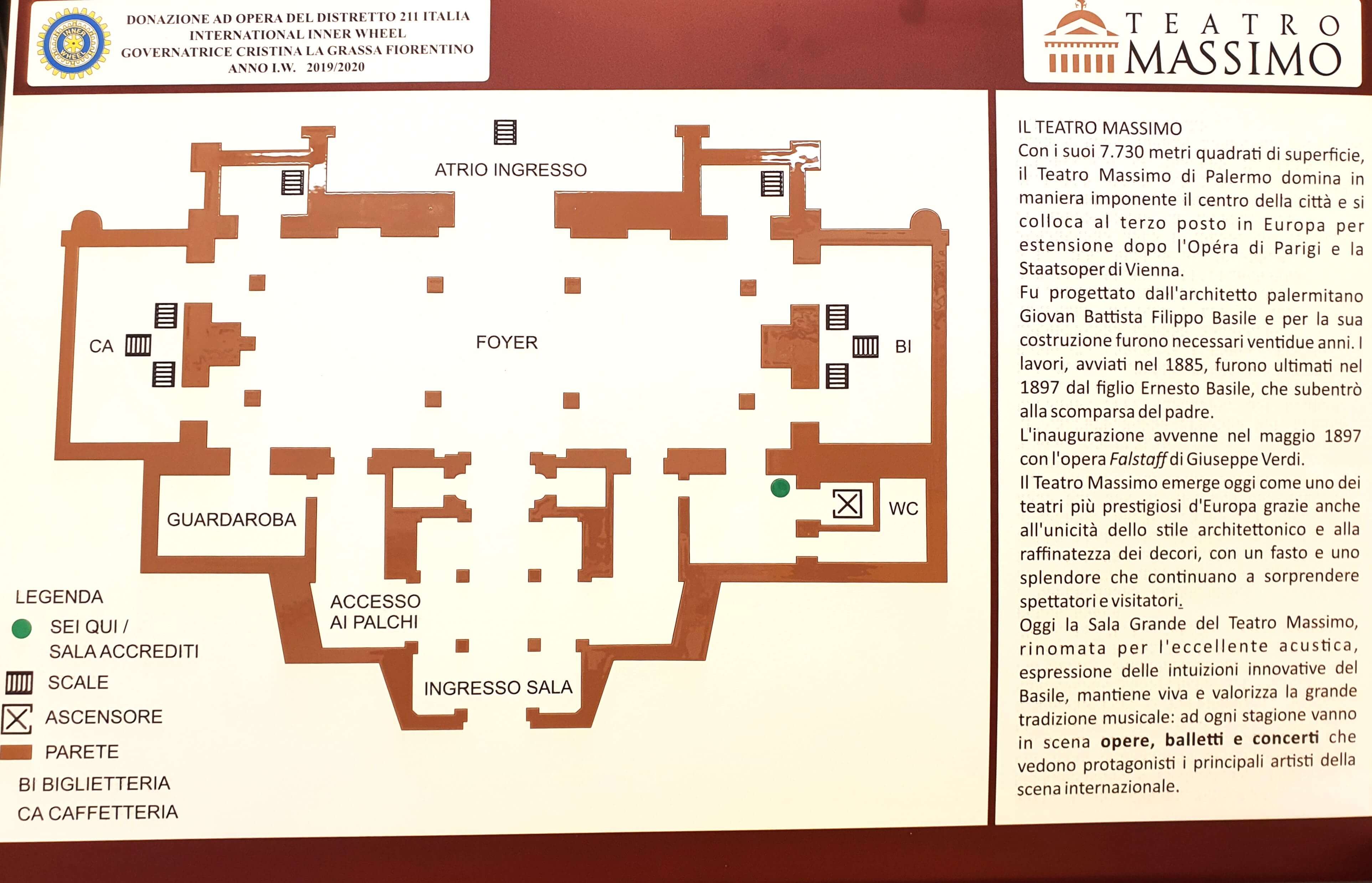
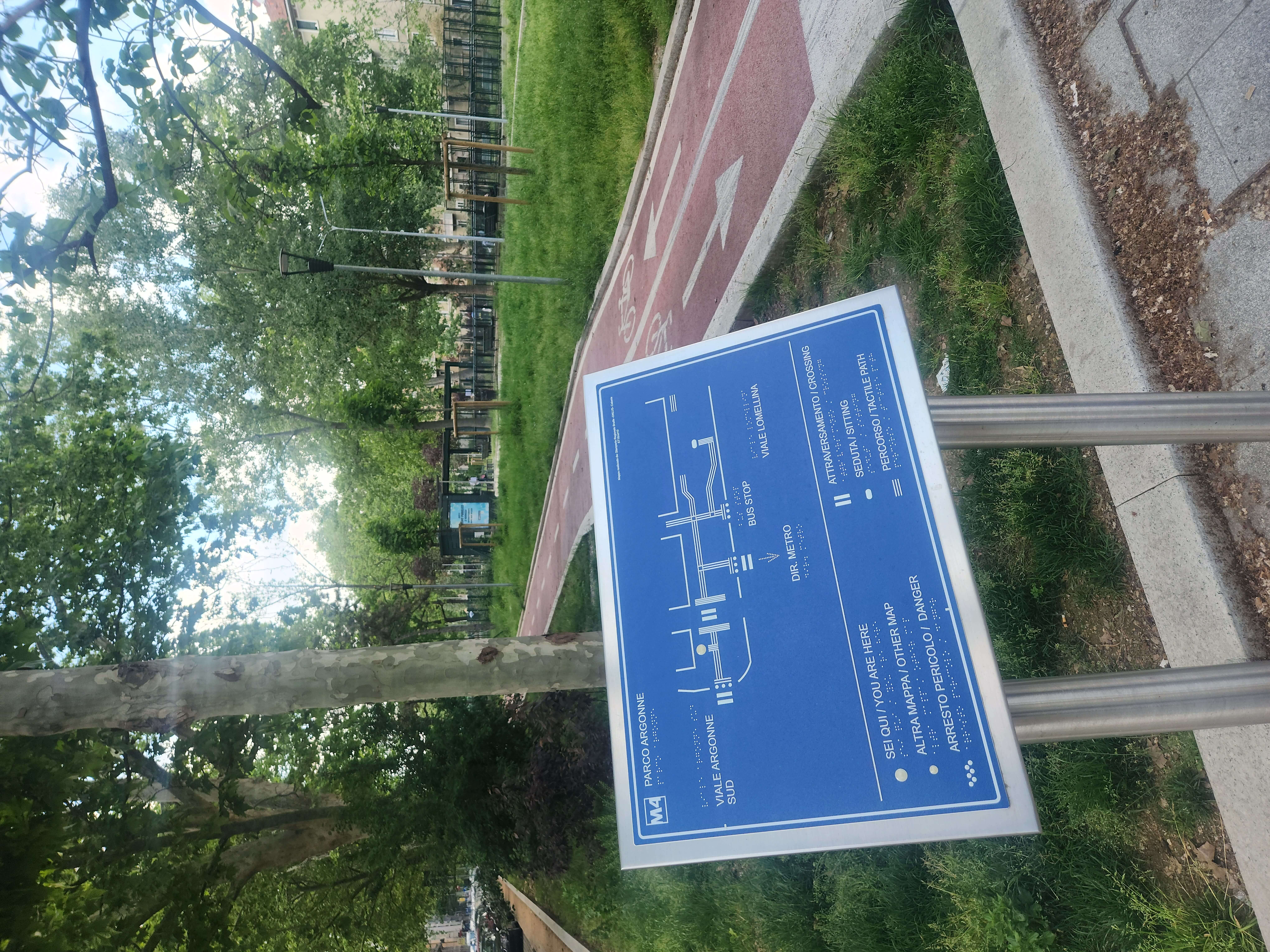
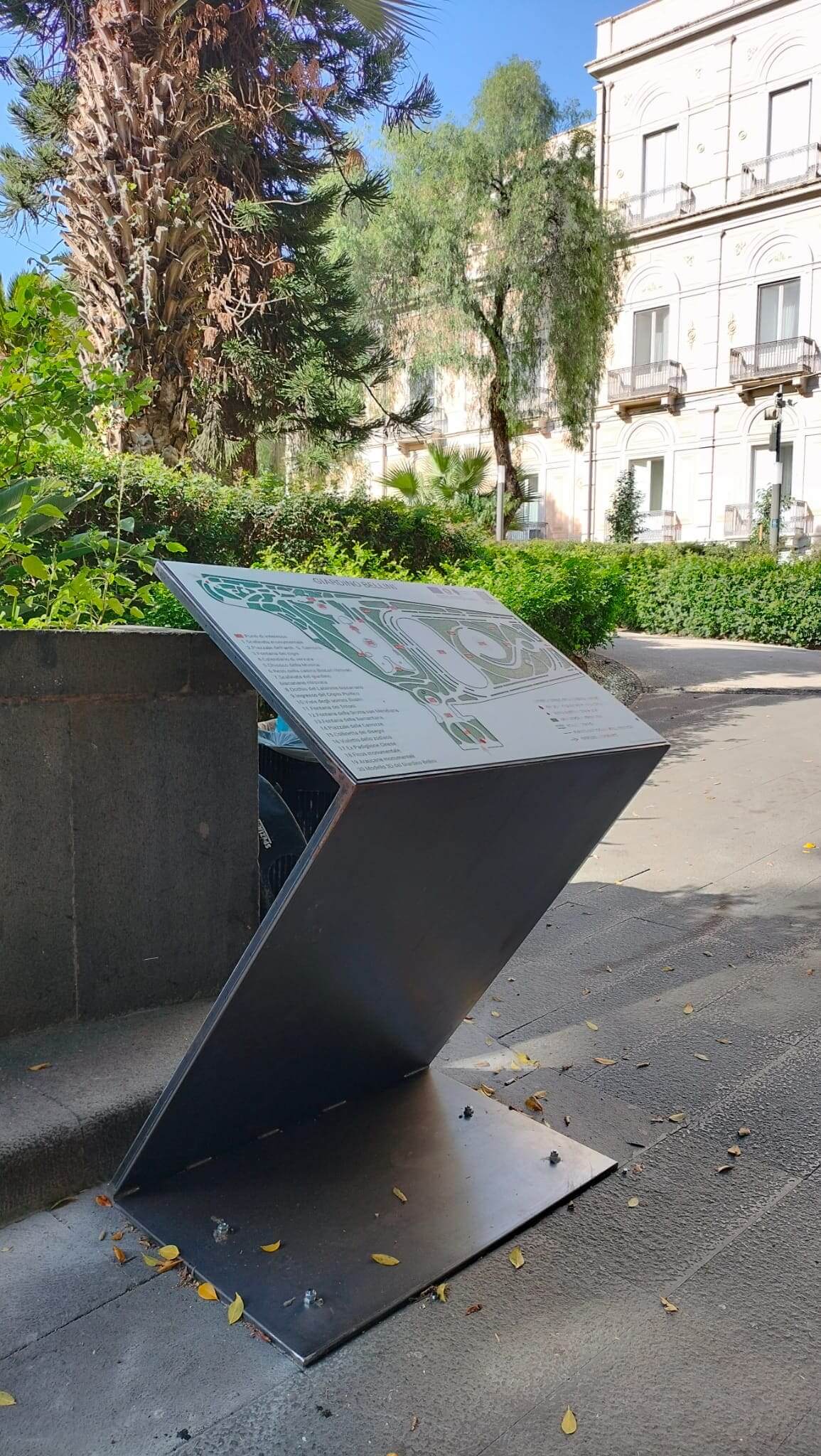
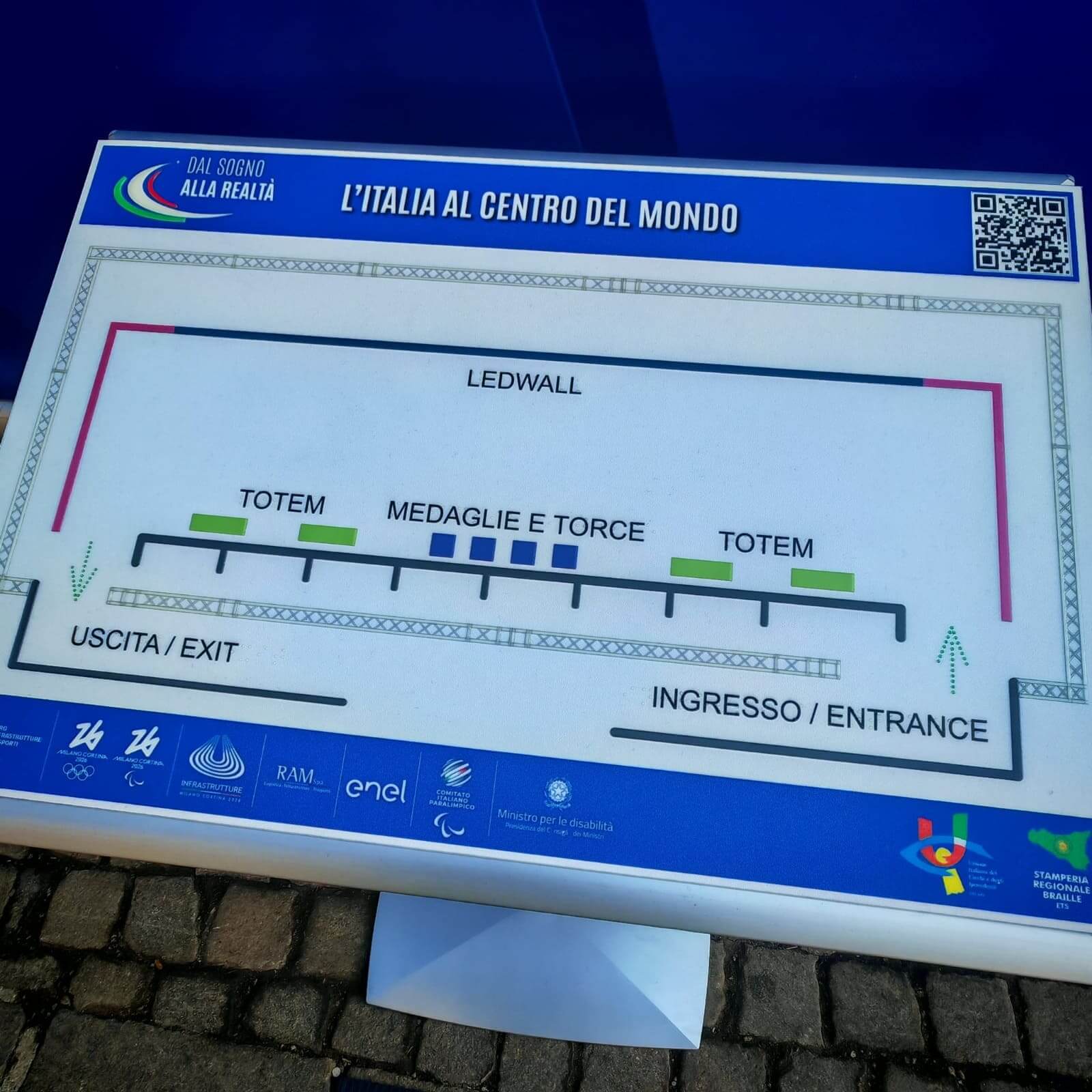
Con il termine "MAPPA TATTILE" si identifica una rappresentazione bidimensionale semplificata dello spazio che evidenzia relazioni fra i componenti di quello spazio, naturale o costruito. Sono destinate alle persone con disabilità visiva, ma utilizzabili da tutti e si distinguono tra mappe di percorso e mappe di luogo.
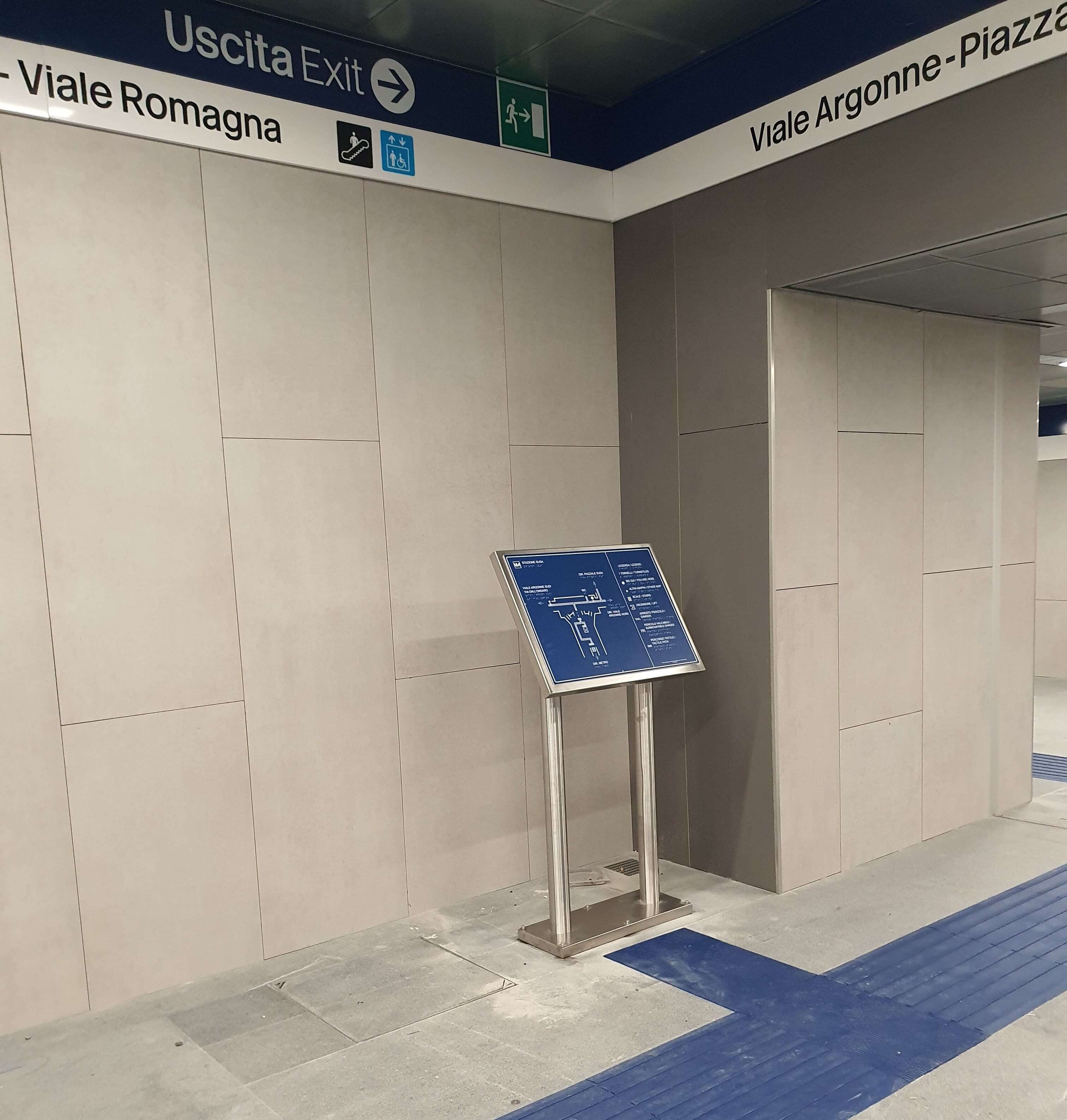
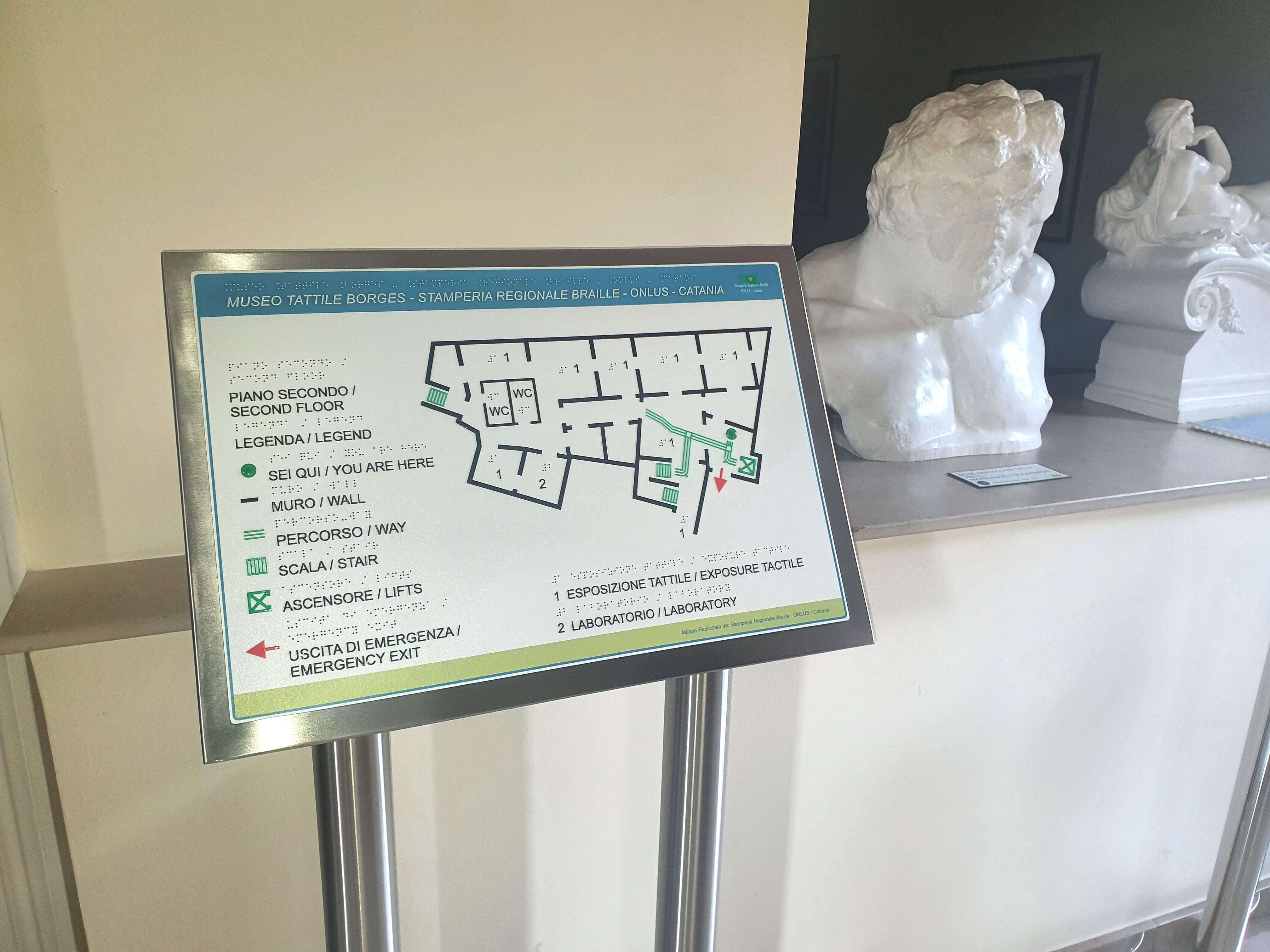
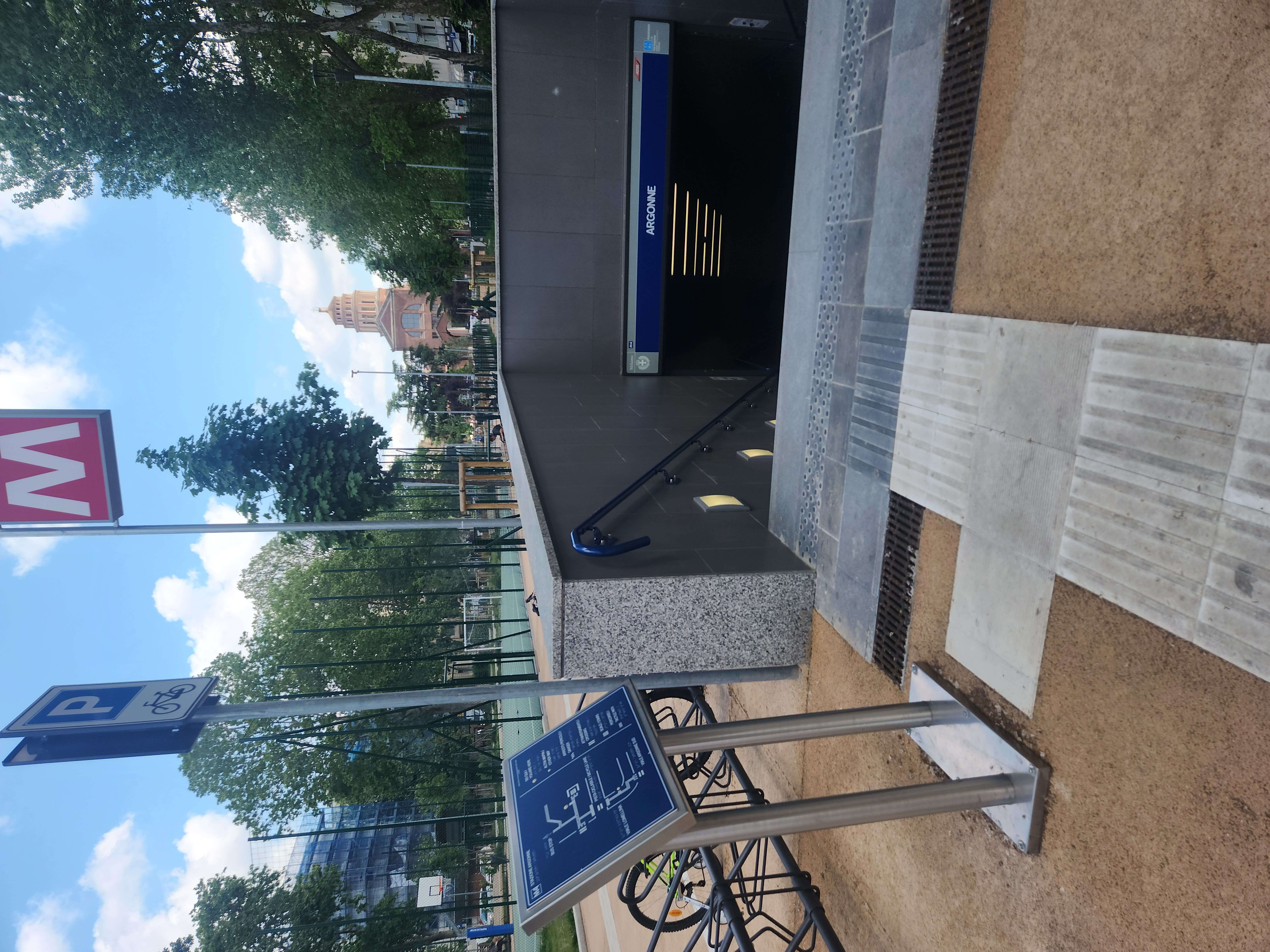
Le "mappe di percorso" forniscono al non vedente le informazioni essenziali per decidere quale percorso, servito da guida artificiale o naturale, deve seguire per raggiungere una delle mete possibili di suo diretto interesse. Trovano applicazione nelle stazioni ferroviarie e metropolitane, negli aeroporti e nelle hall o spazi comuni di hotel, musei, ecc.
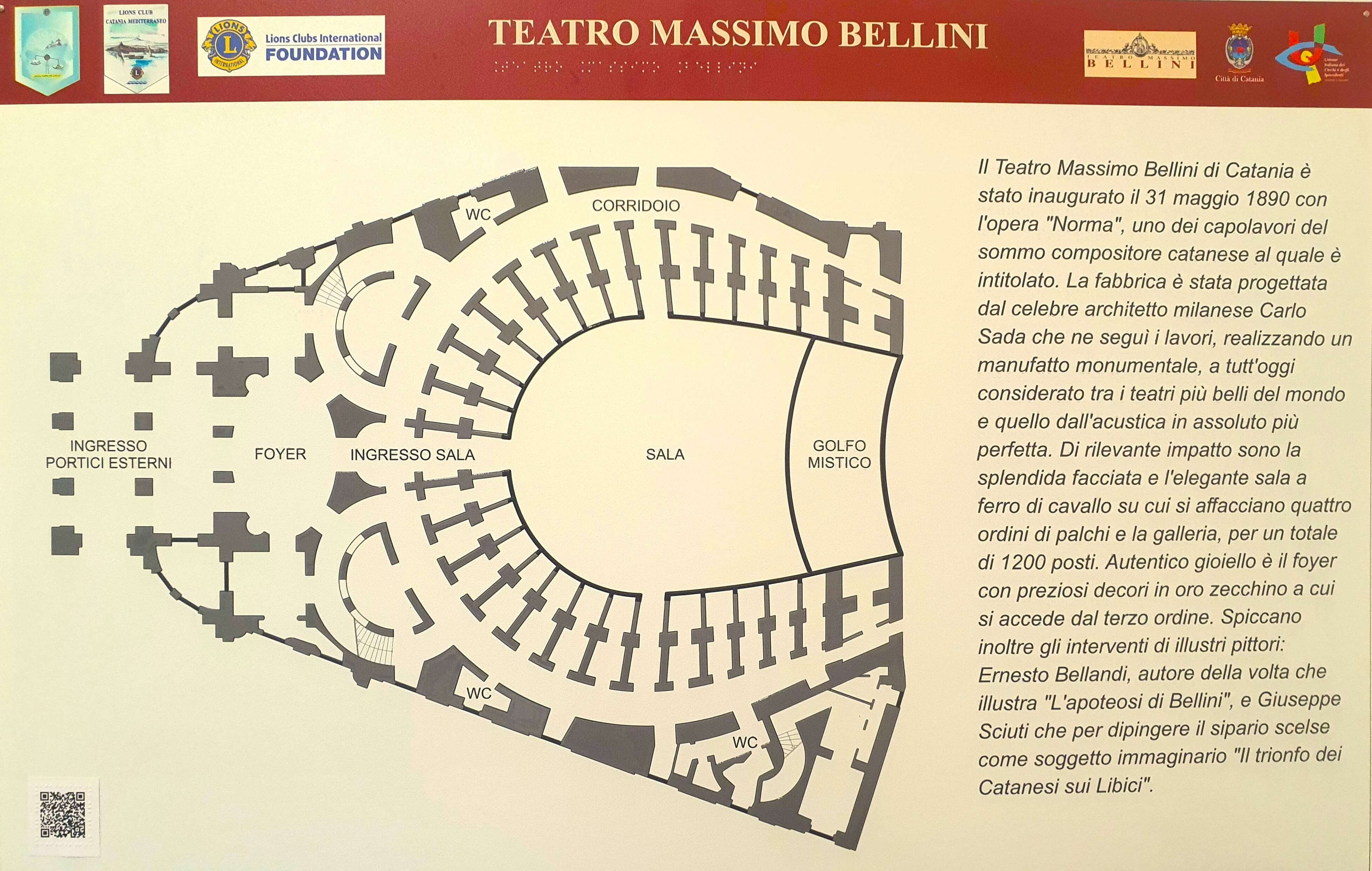
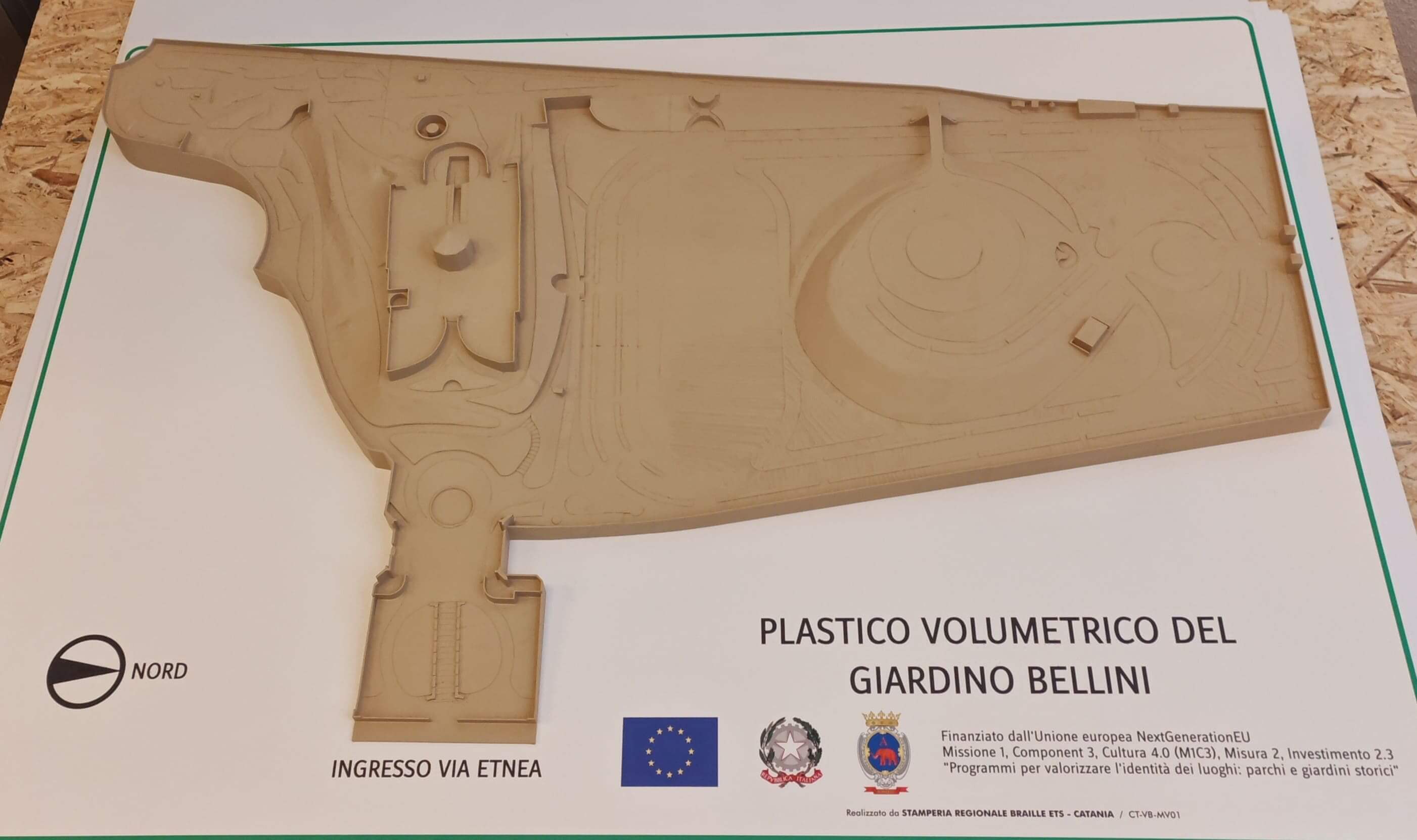
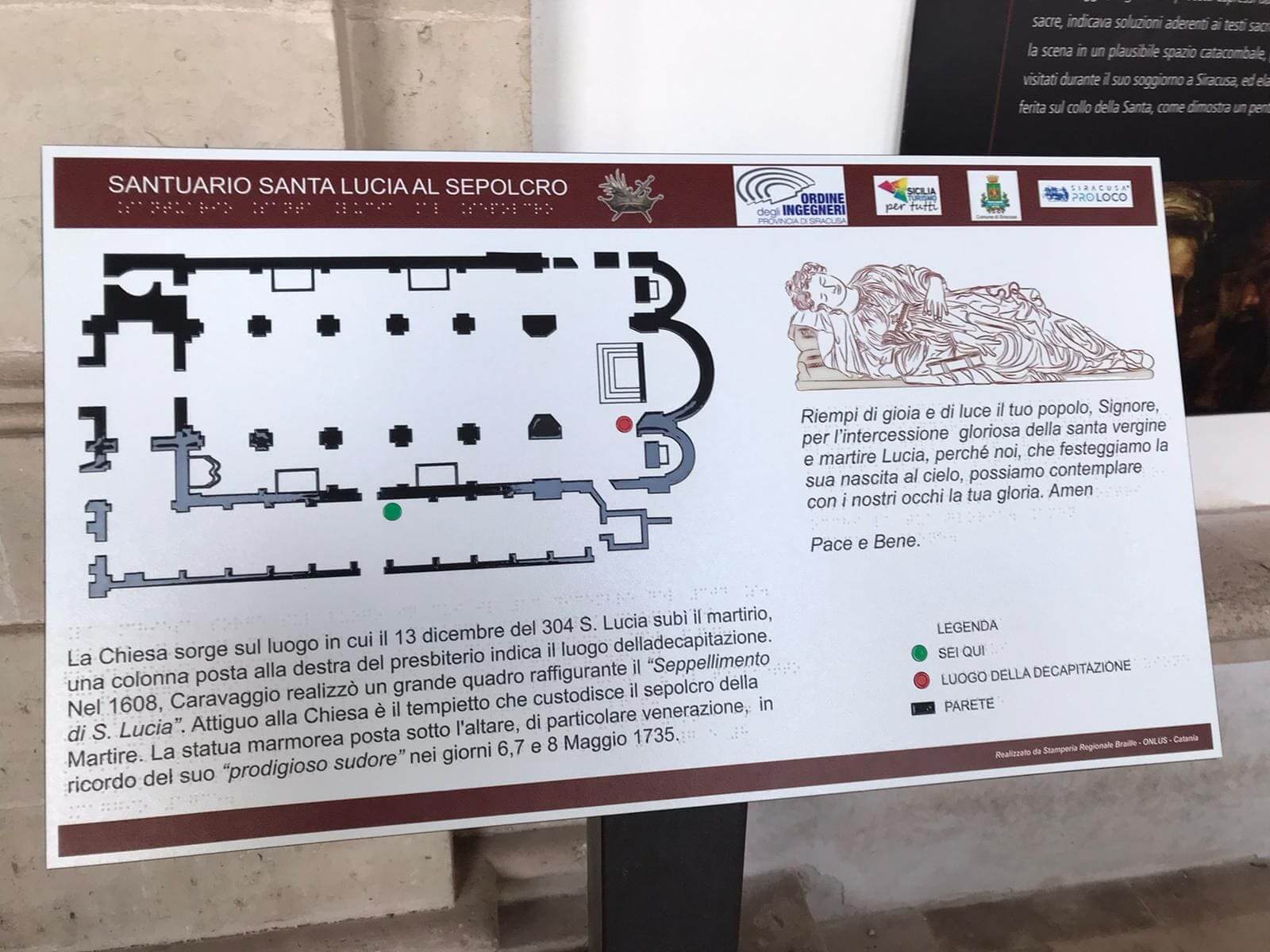
Le "mappe di luogo", vengono realizzate con scopo di far conoscere la disposizione dei vari elementi circostanti, la forma del locale dove ci si trova o la composizione dell'ambiente naturale. Trovano applicazione ad esempio all’interno delle chiese o di edifici storici, per farne comprendere la forma e l'articolazione, o ad esempio nei sentieri naturalistici, dove oltre riportare l’andamento del sentiero stesso, possono indicare la presenza di elementi non raggiungibili, come una catena di monti o un lago, per consentire al non vedente di immedesimarsi ed orientarsi nell'ambiente.
La Stamperia progetta e realizza le mappe tattili attenendosi alle linee guida dell’I.N.M.A.C.I. (Istituto Nazionale per la Mobilità Autonoma di Ciechi e Ipovedenti) e i disciplinari di RFI SpA su lastre di acrilico/policarbonato di alta qualità, con sistemi di stampa a colori e in rilievo UV.
Targhe NeroBraille
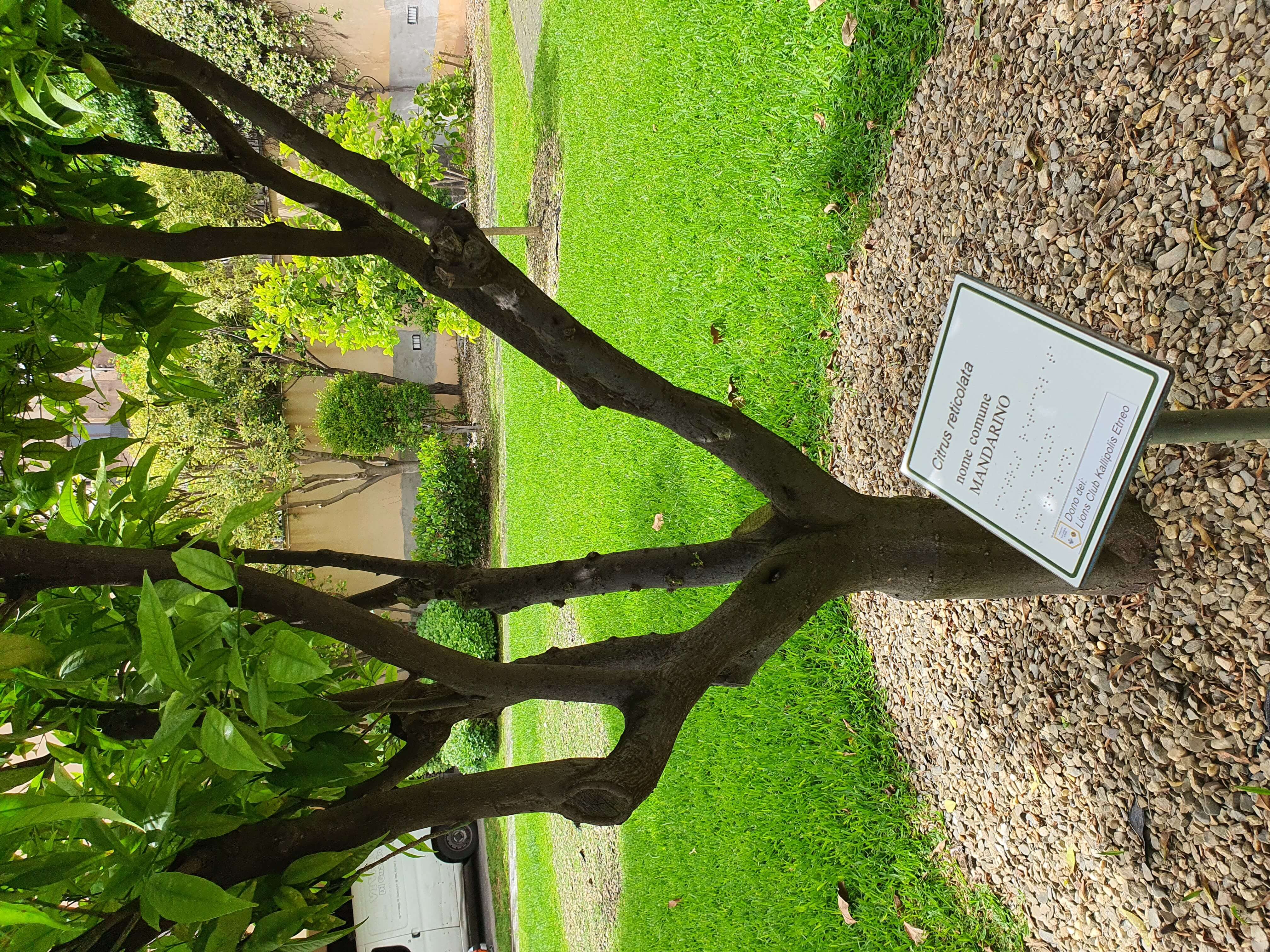
Contengono delle descrizioni esclusivamente testuali in Braille e caratteri ingranditi, senza il supporto di immagini e riproduzioni in rilievo, le quali tuttavia possono essere riprodotte in semplice stampa grafica. Trovano ampio utilizzo per la descrizione della fauna, della flora, di elementi o strutture architettoniche, a corredo di plastici architettonici, sculture, ed altre opere che possono essere toccate dal non vedente. I formati più piccoli si adattano all’utilizzo per le pulsantiere degli ascensori e per l’identificazione di porte e accessi. È anche possibile realizzare anche targhe bilingue.
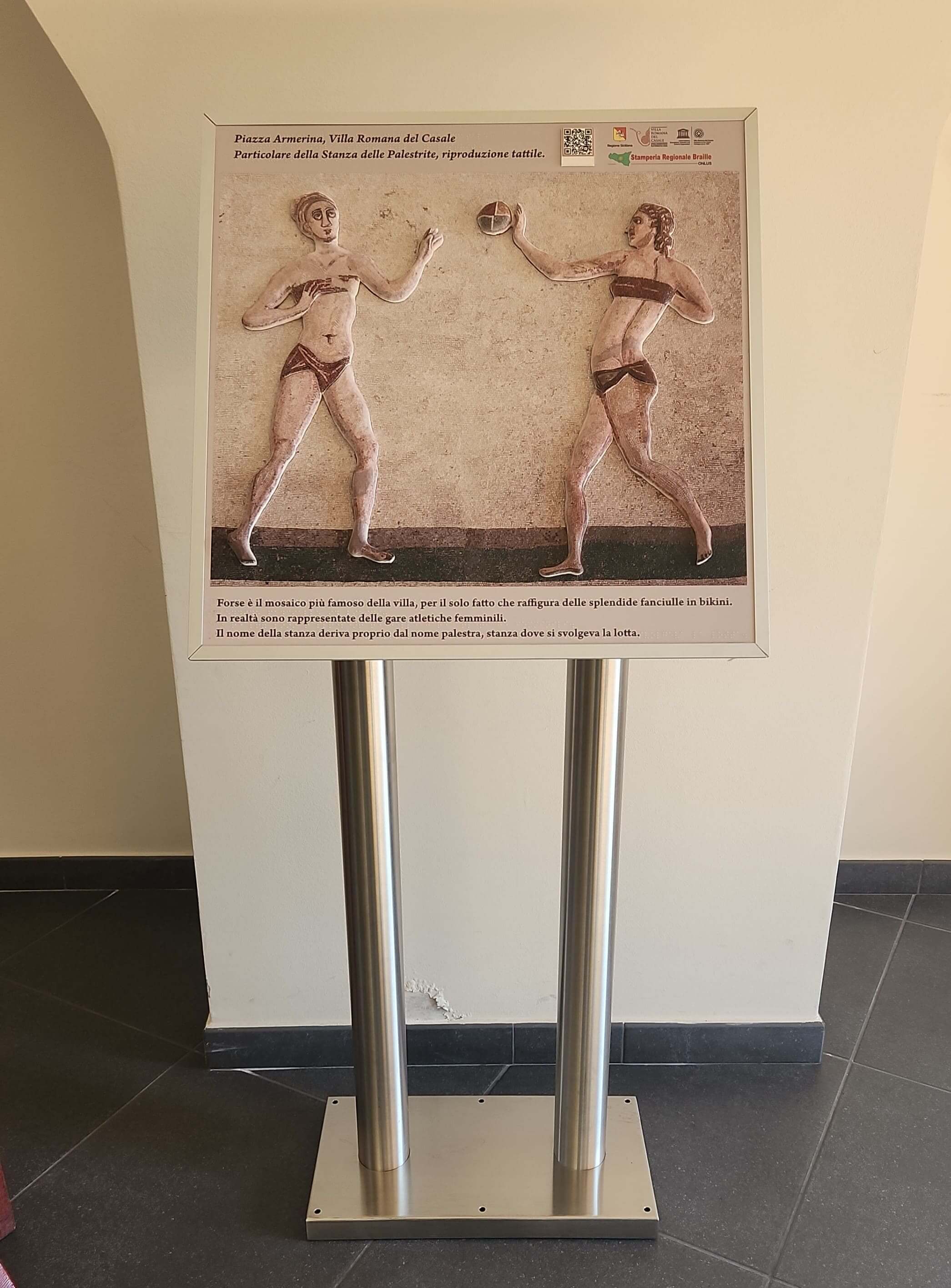
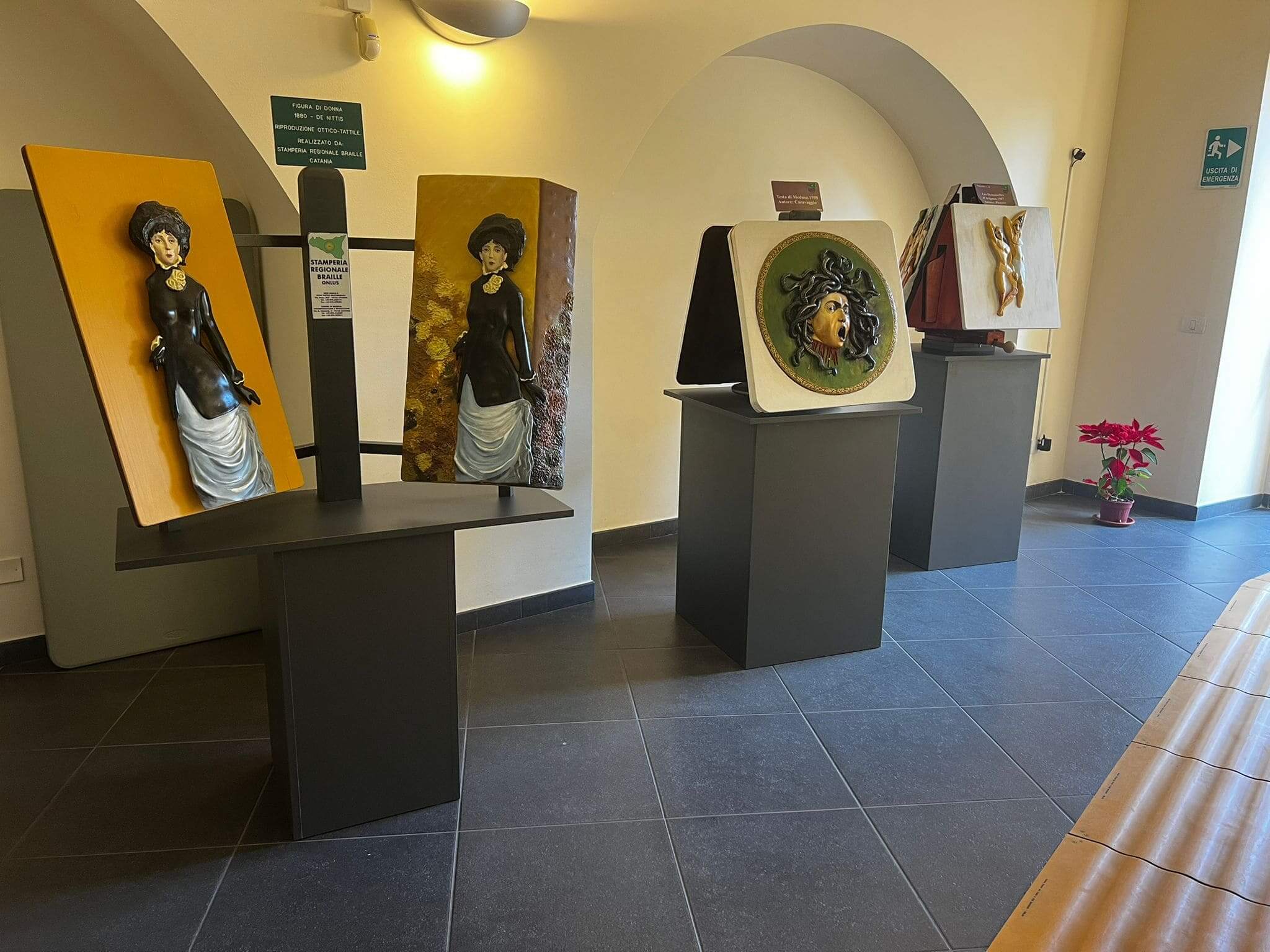
Pannelli Tattili
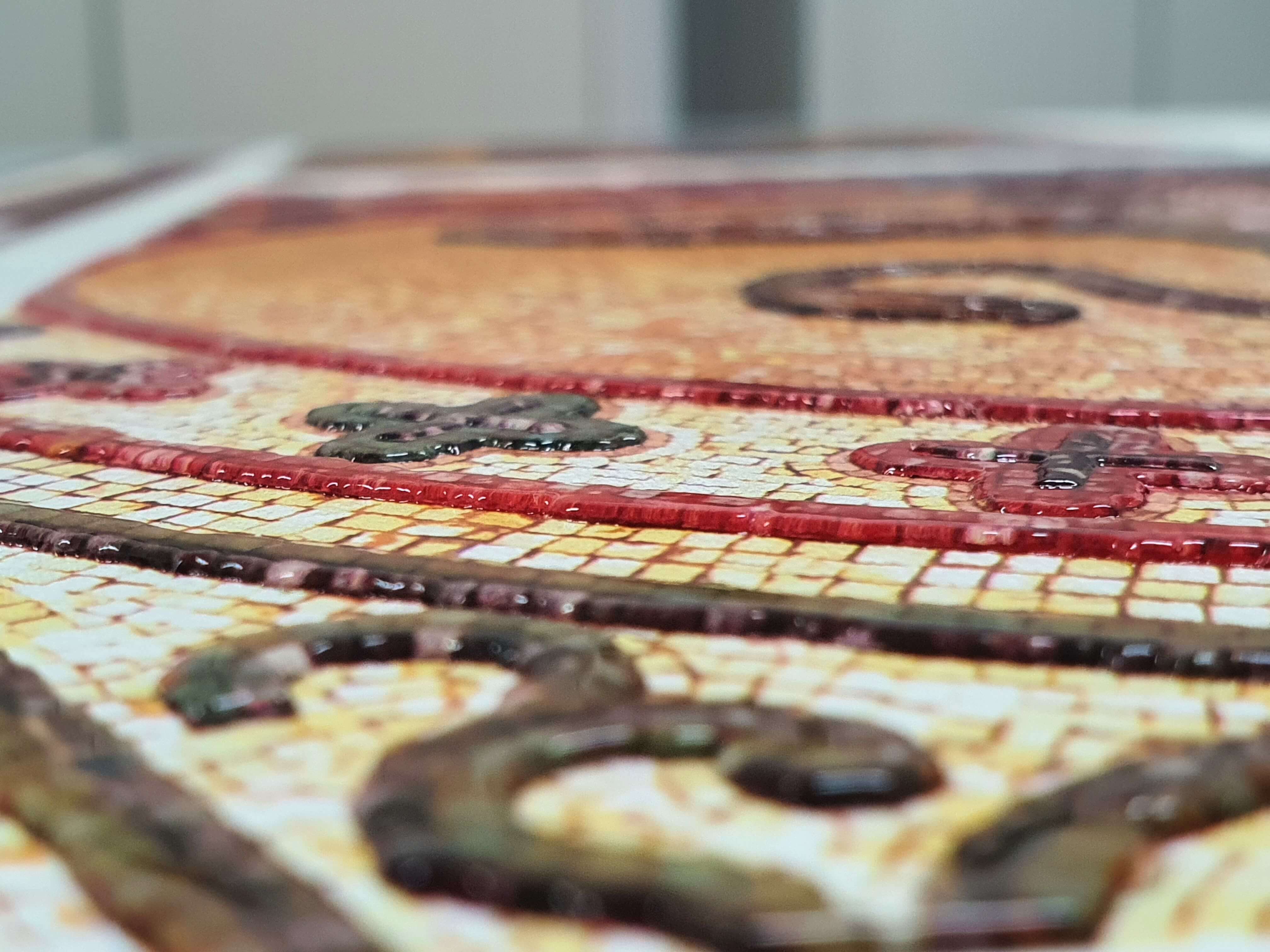
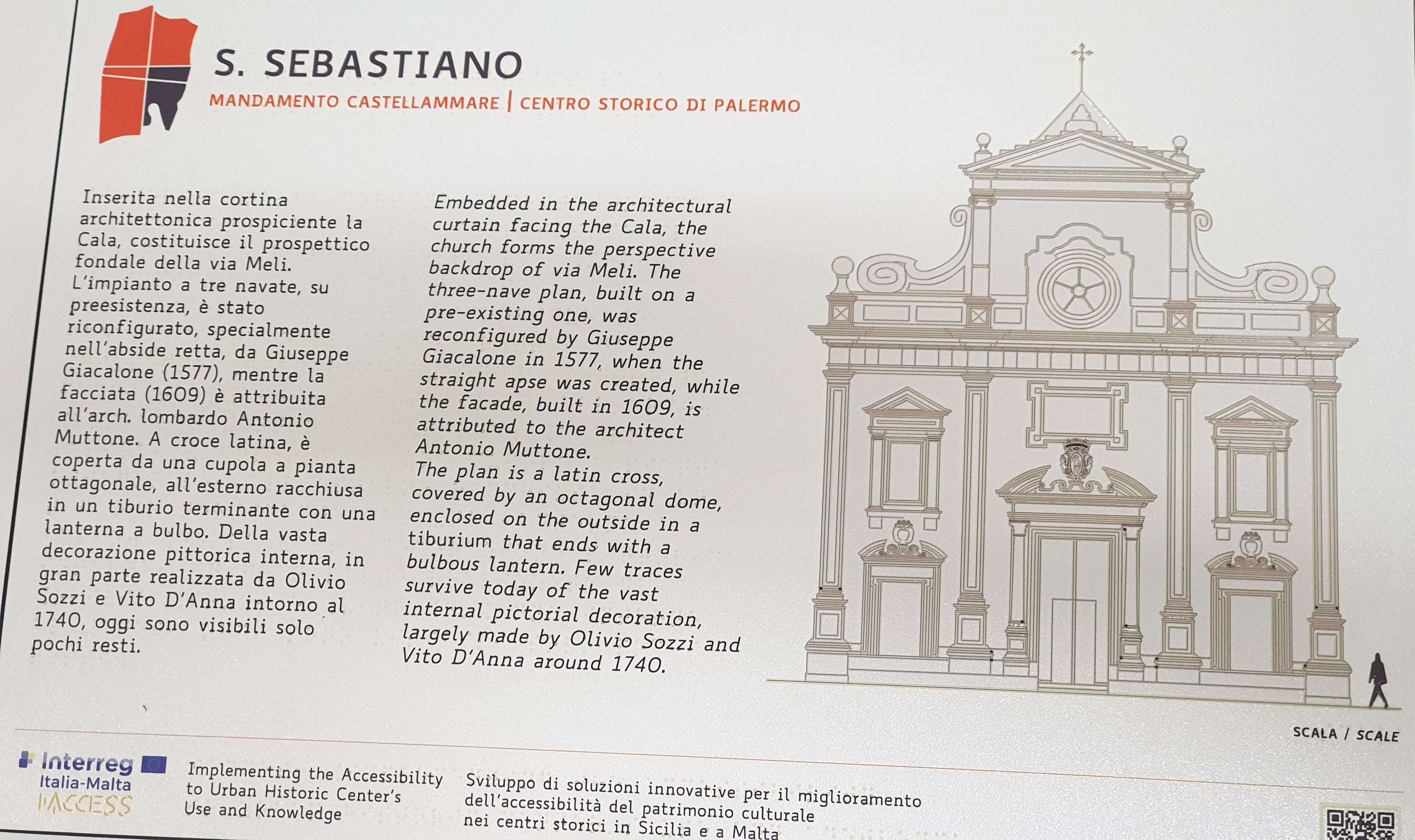
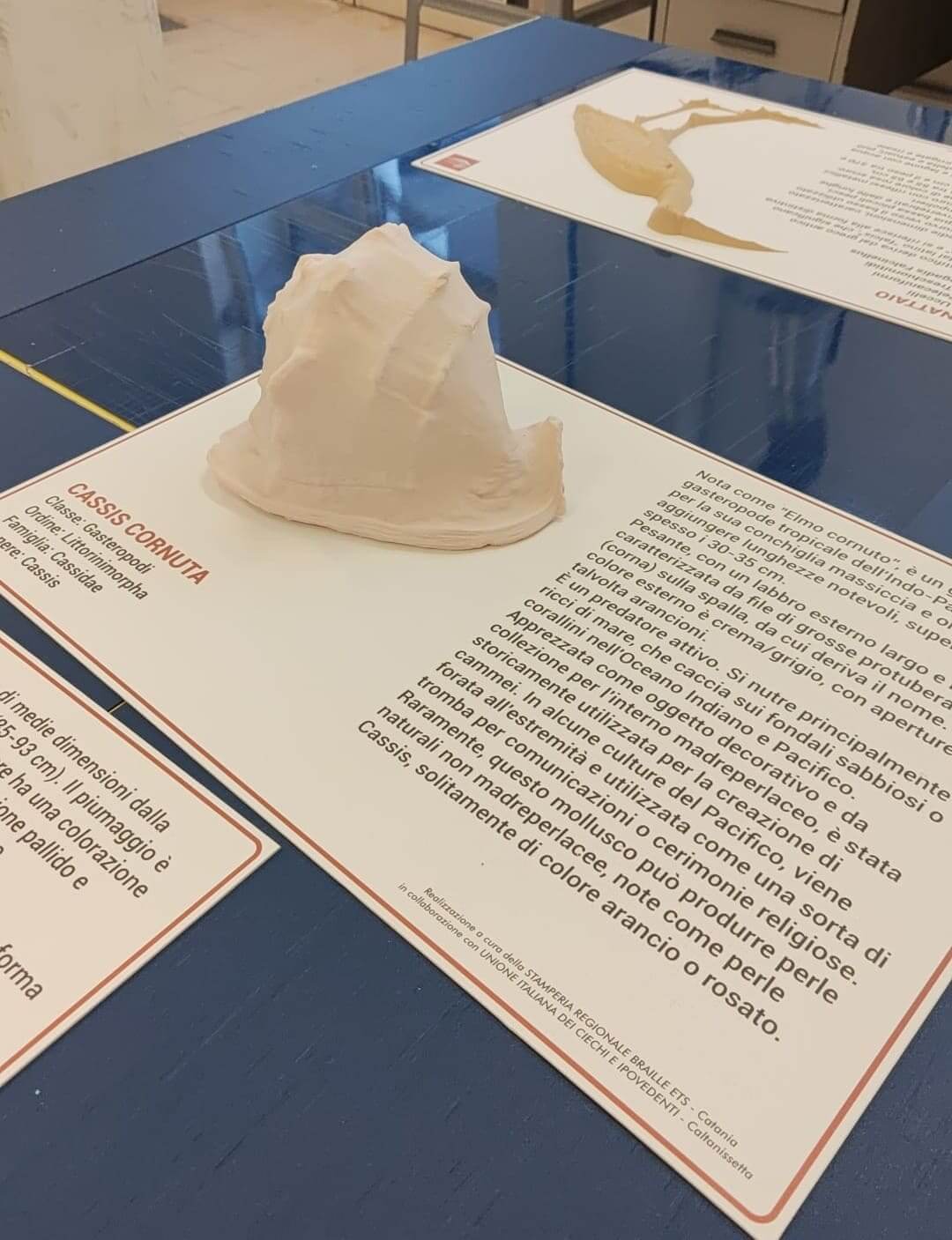
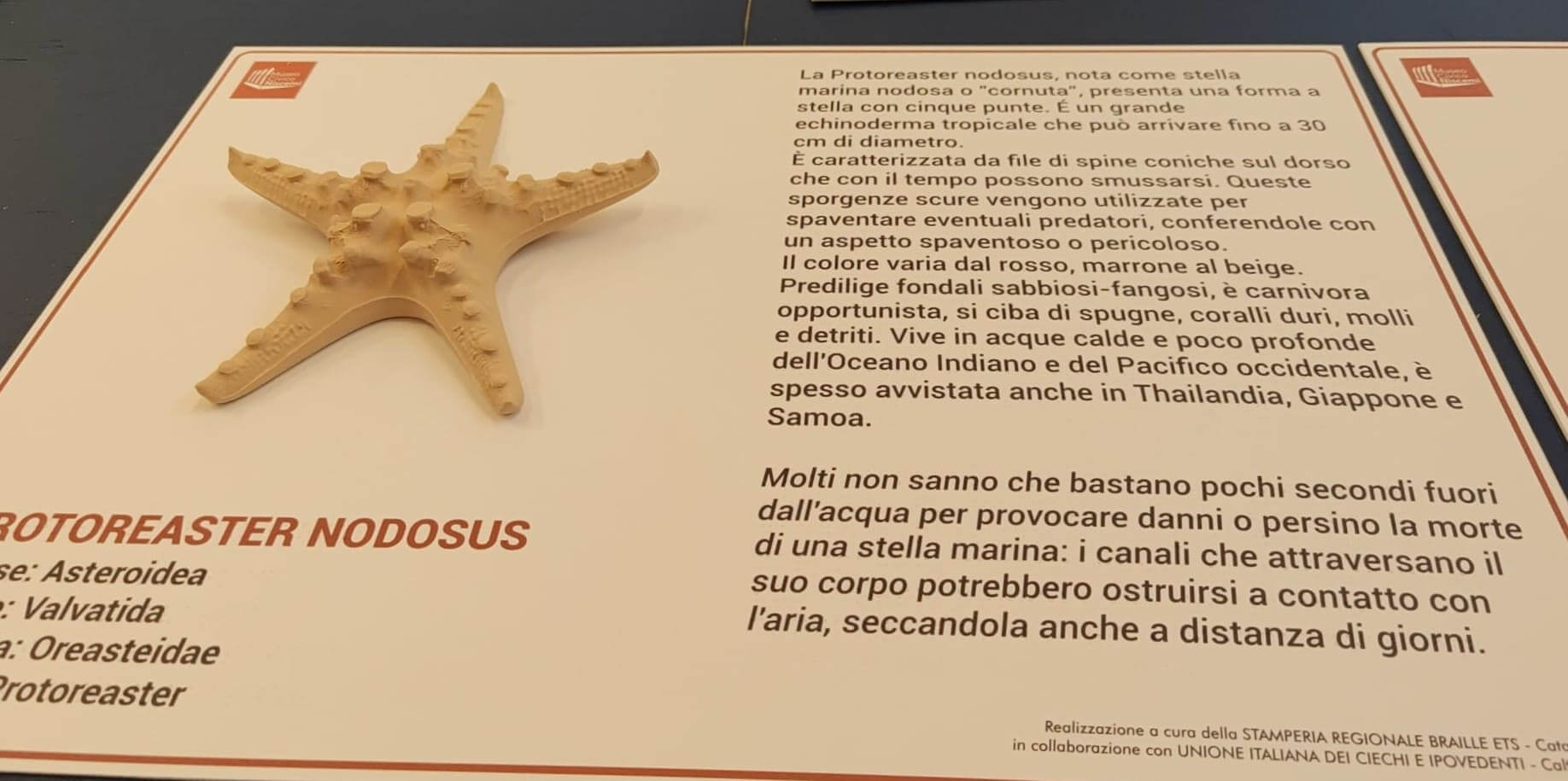
Contengono delle descrizioni testuali corredate da una riproduzione in rilievo del soggetto descritto. Trovano ampio utilizzo per la descrizione della fauna, della flora, di elementi o strutture architettoniche. I soggetti vengono riprodotti in bassorilievo monolivello, evidenziando gli elementi più salienti e significativi per la loro interpretazione tattile.
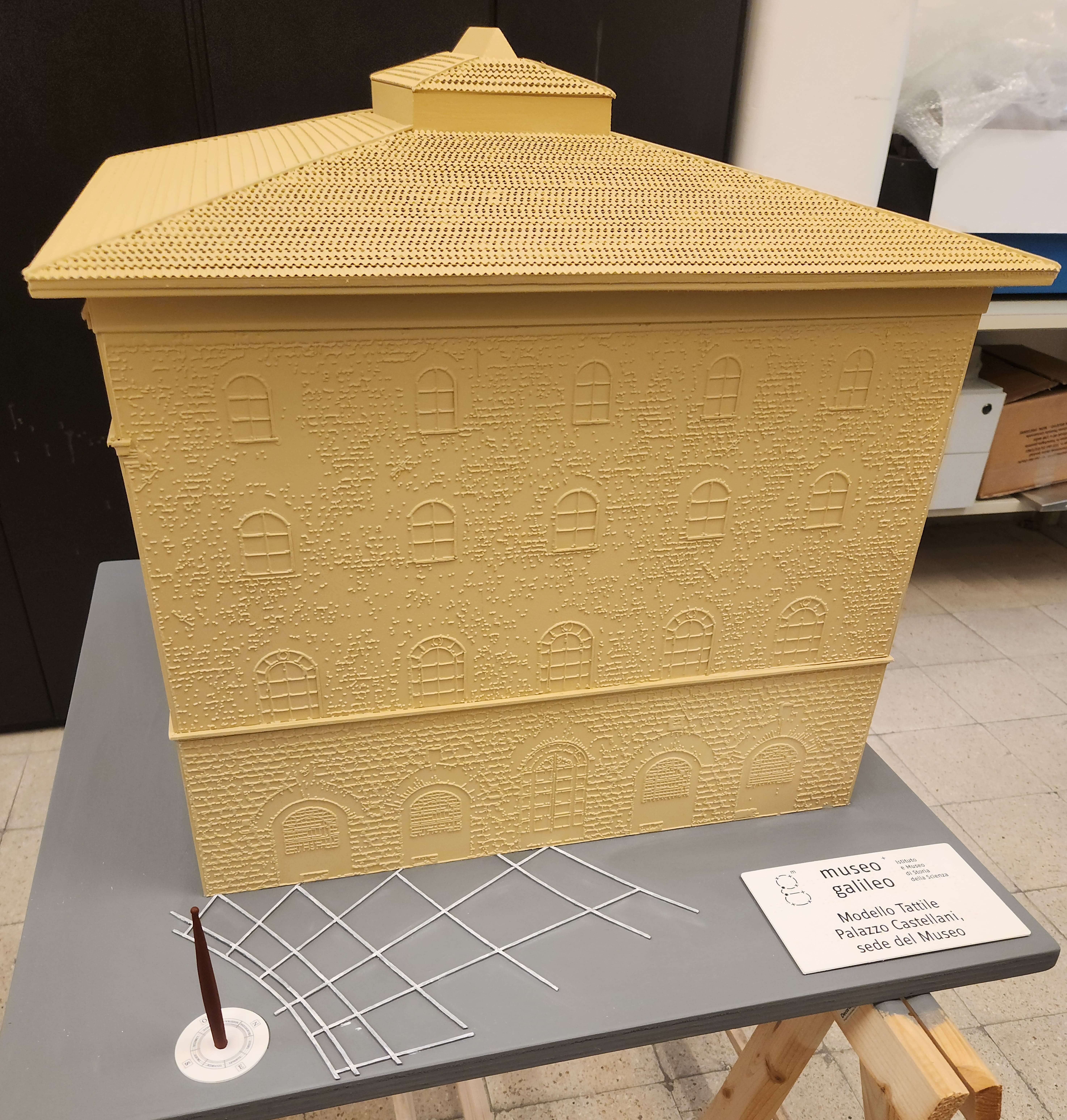
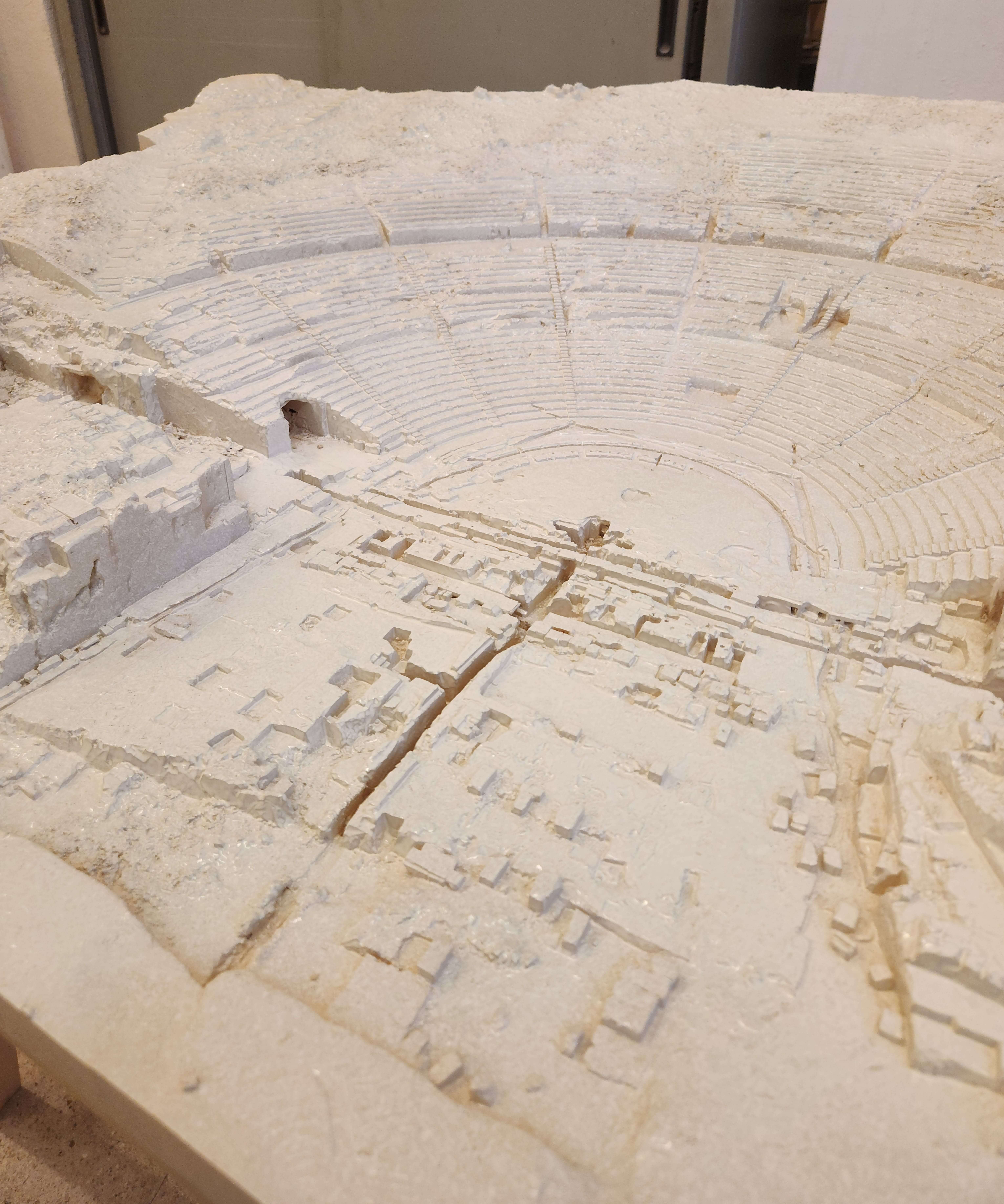
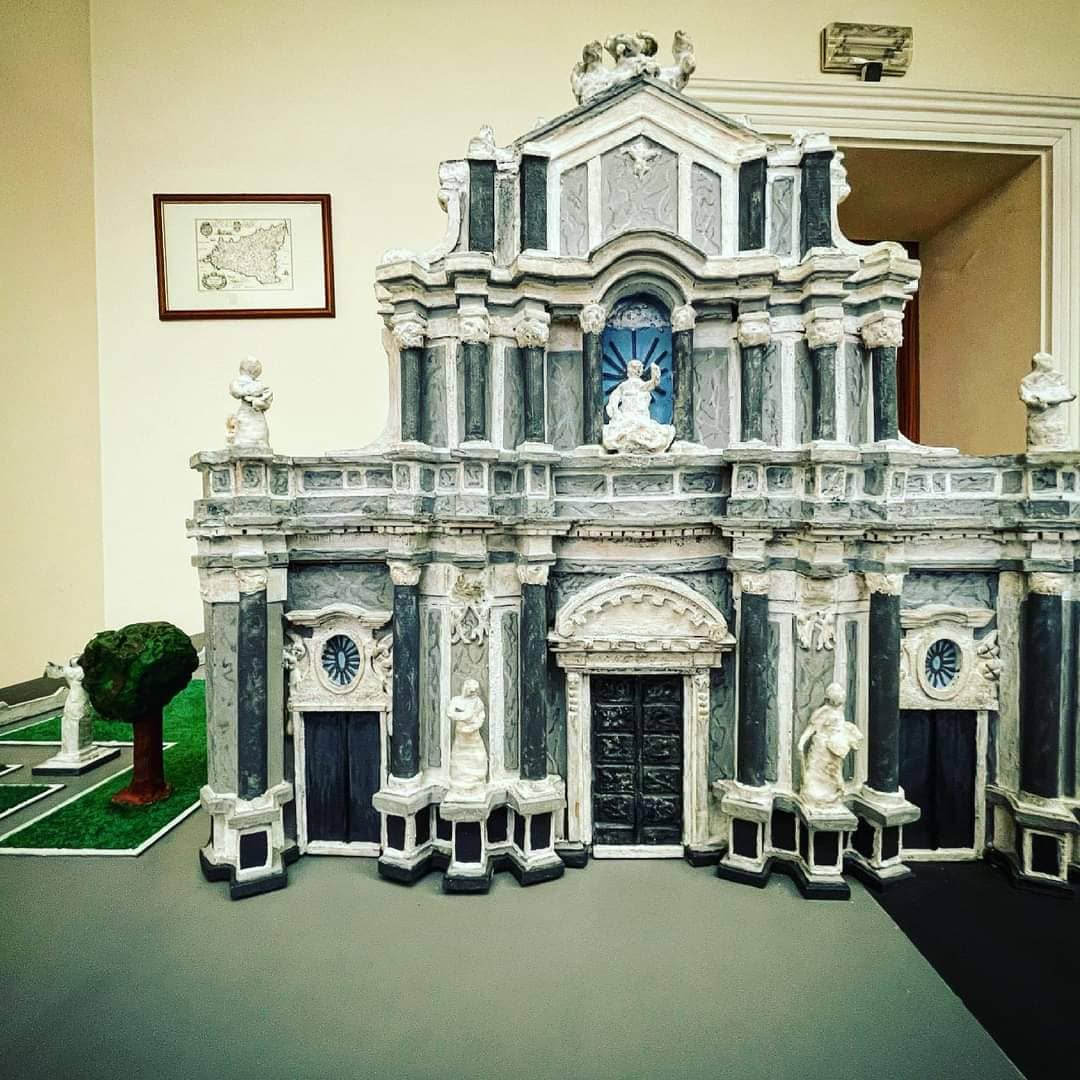
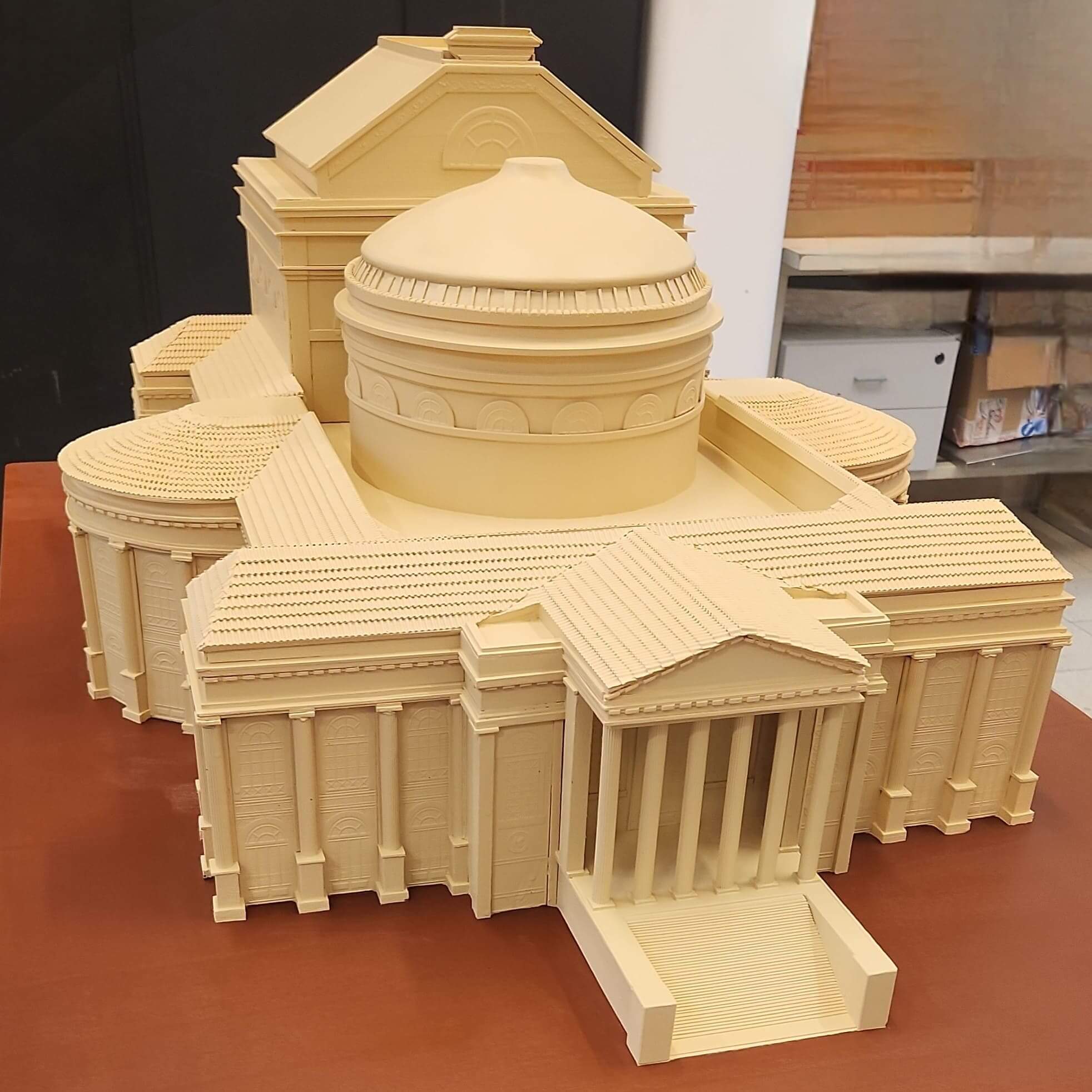
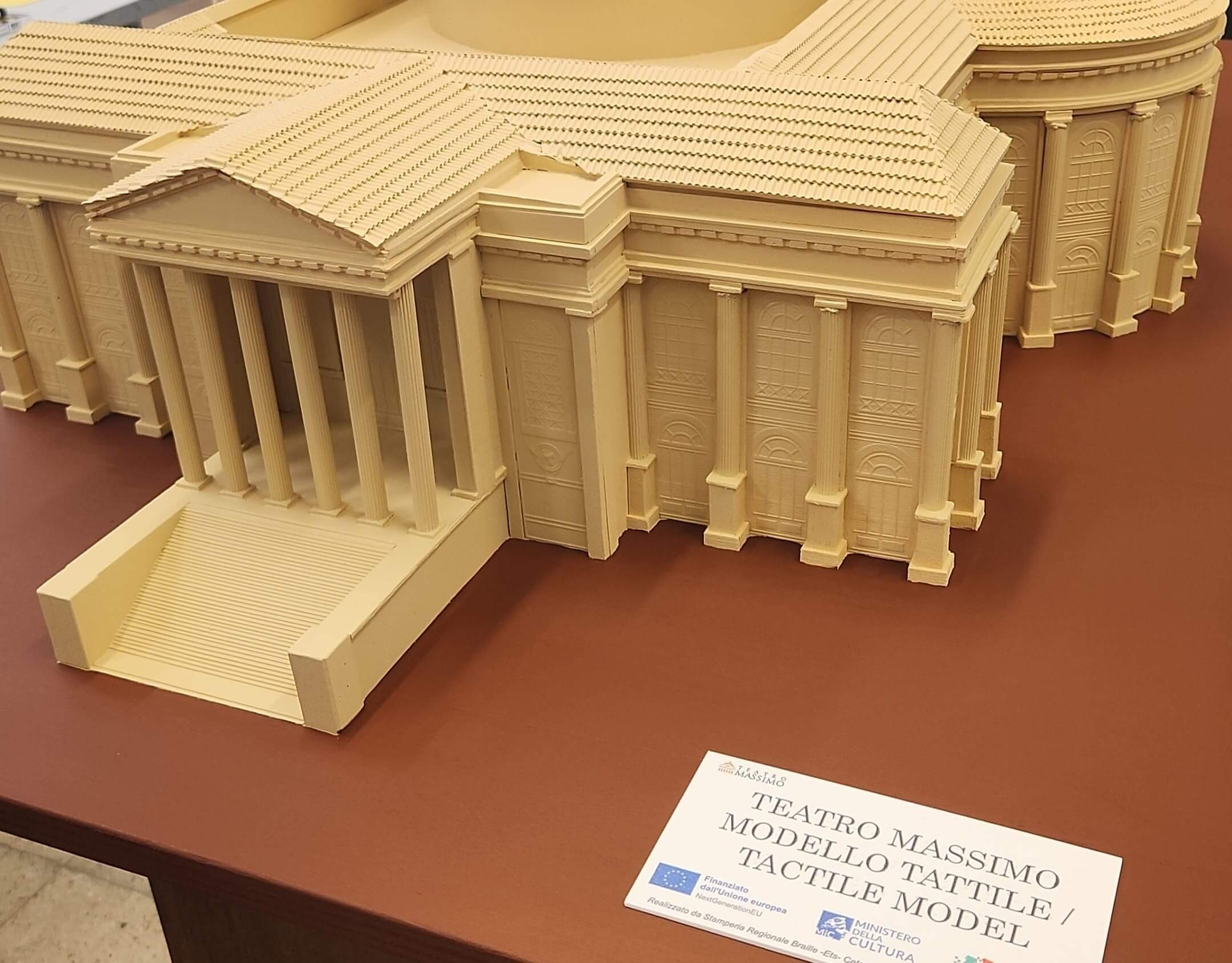
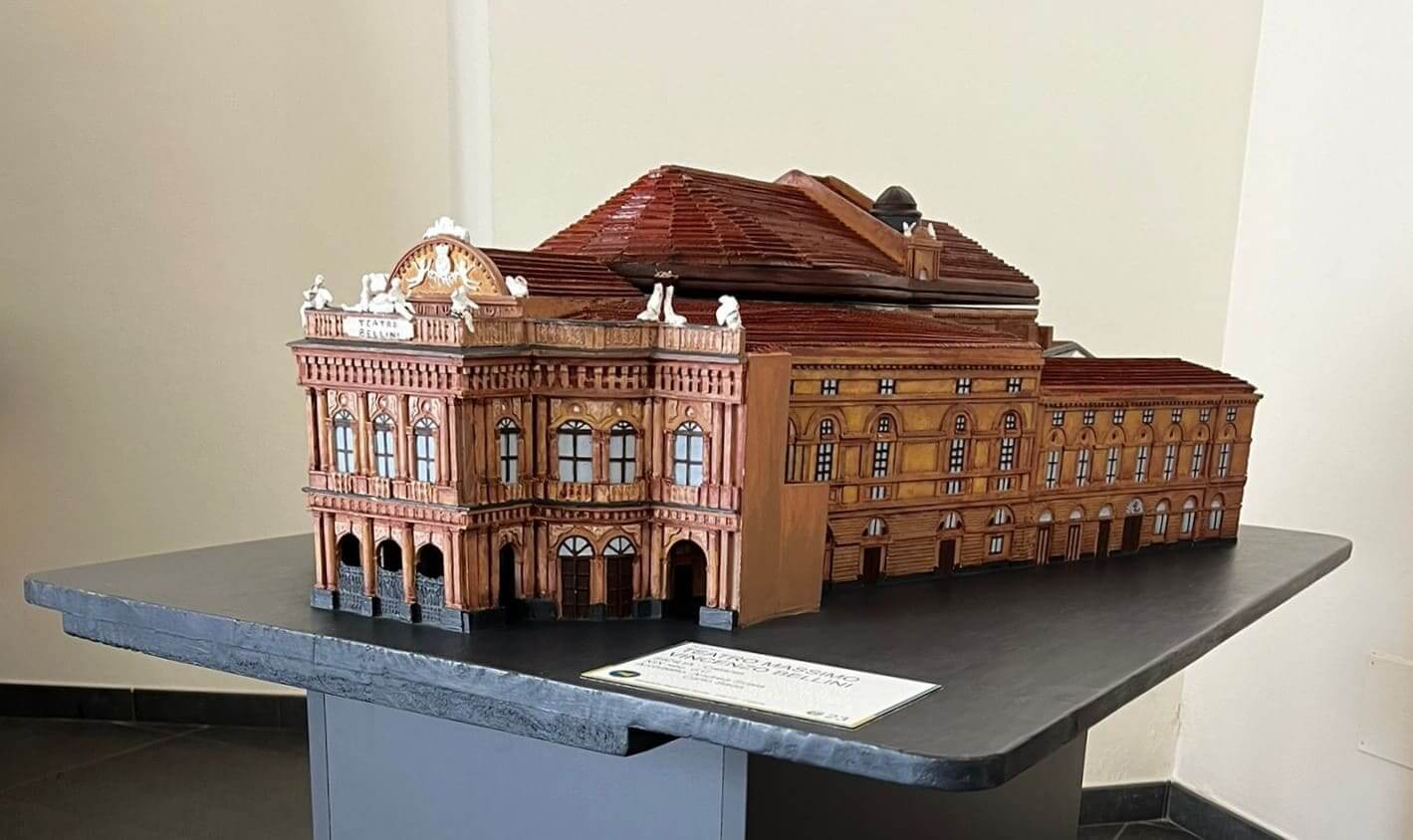
Modelli tridimensionali
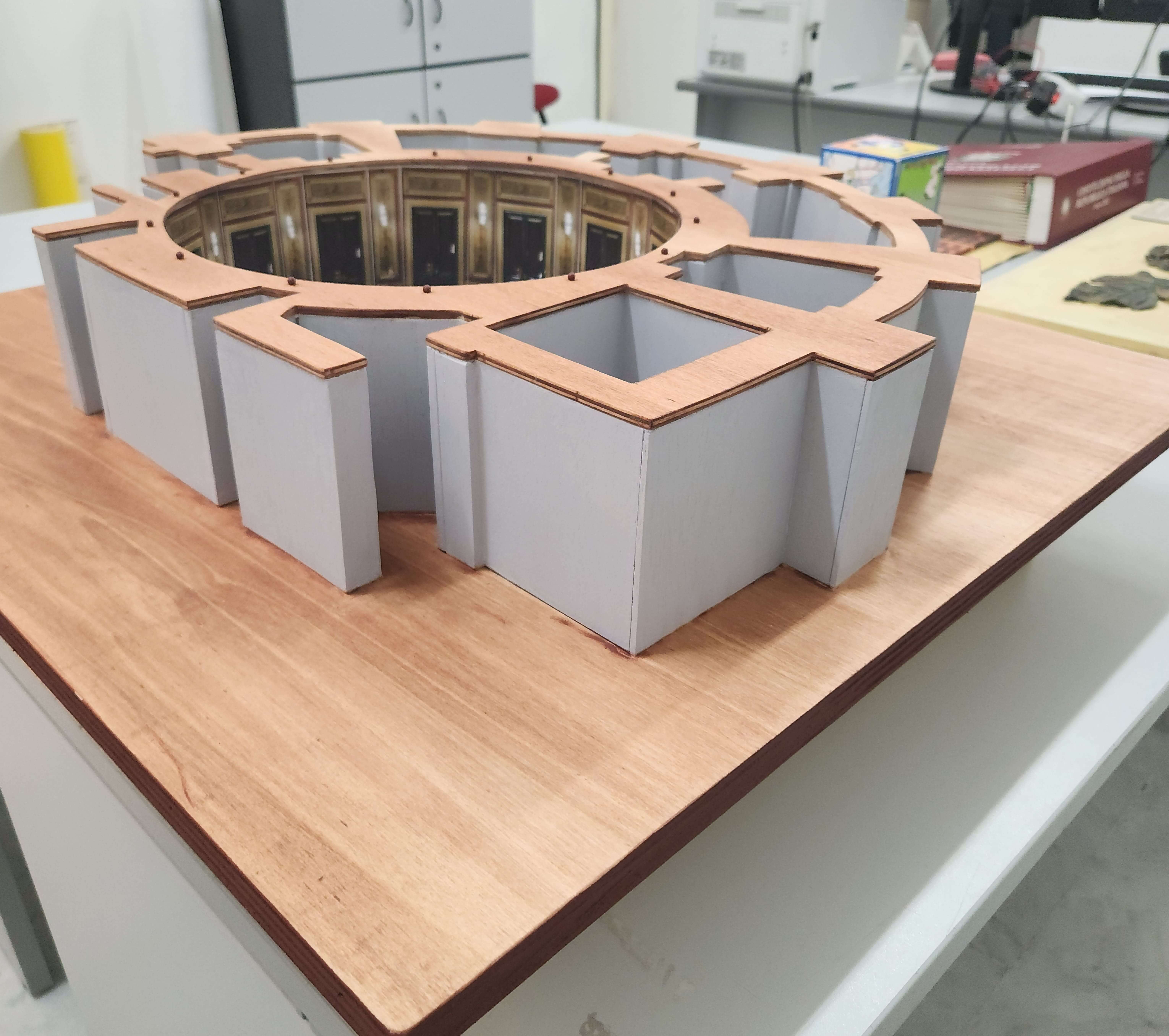
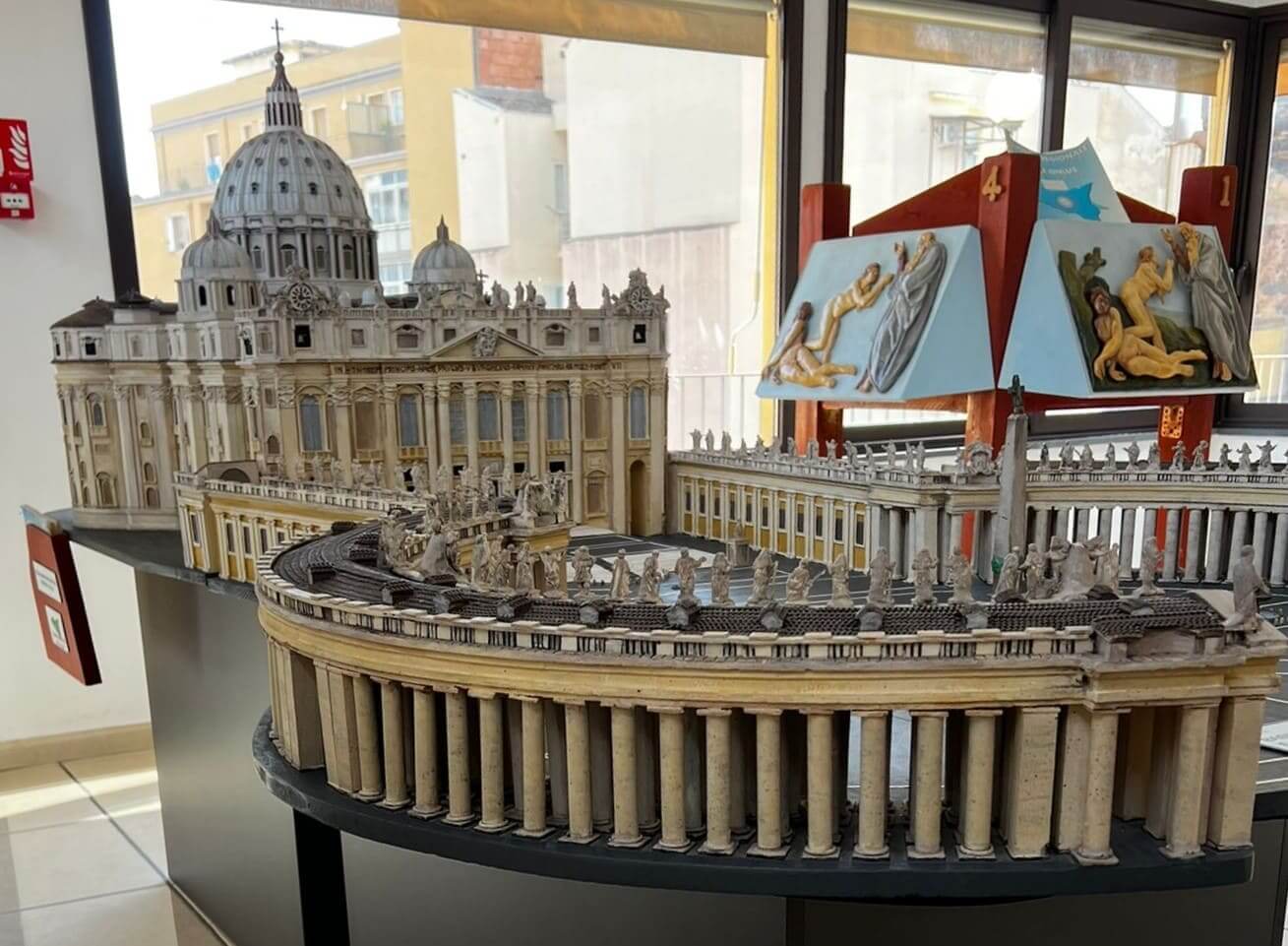
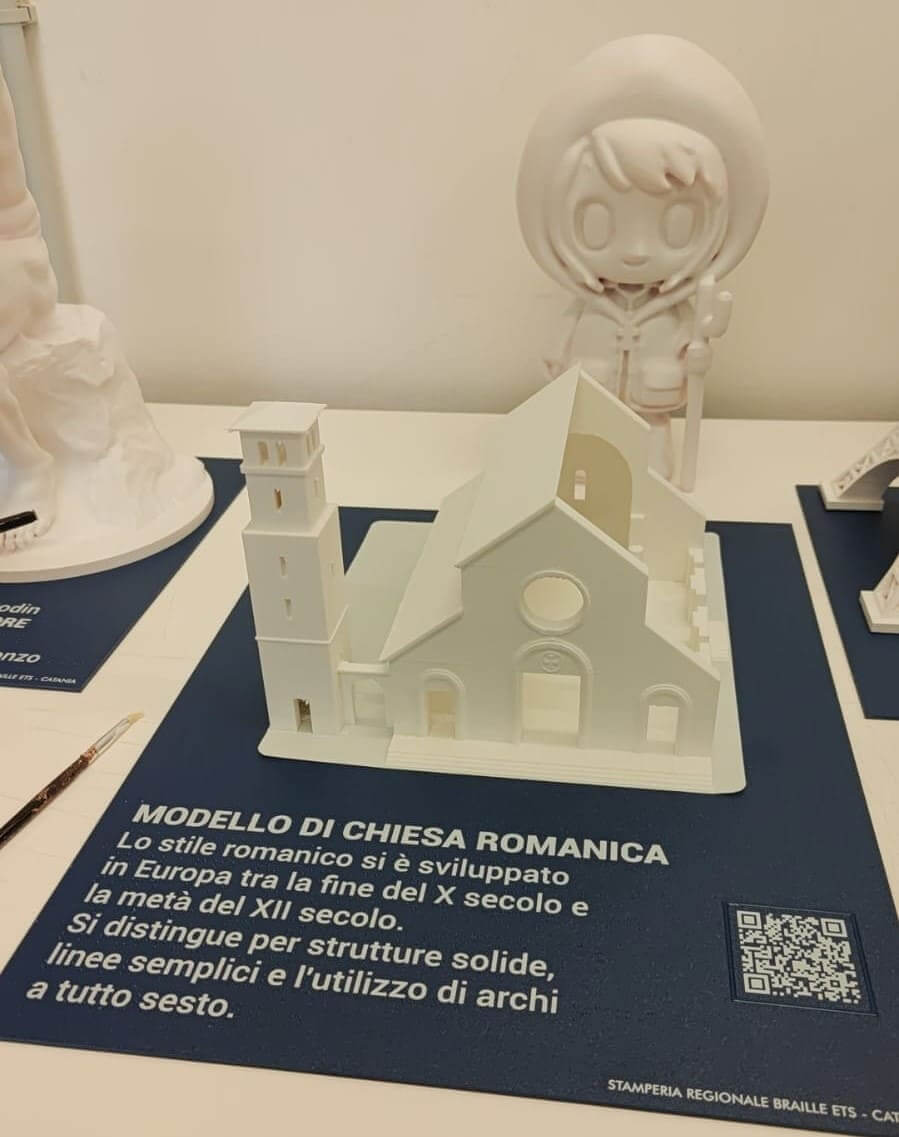
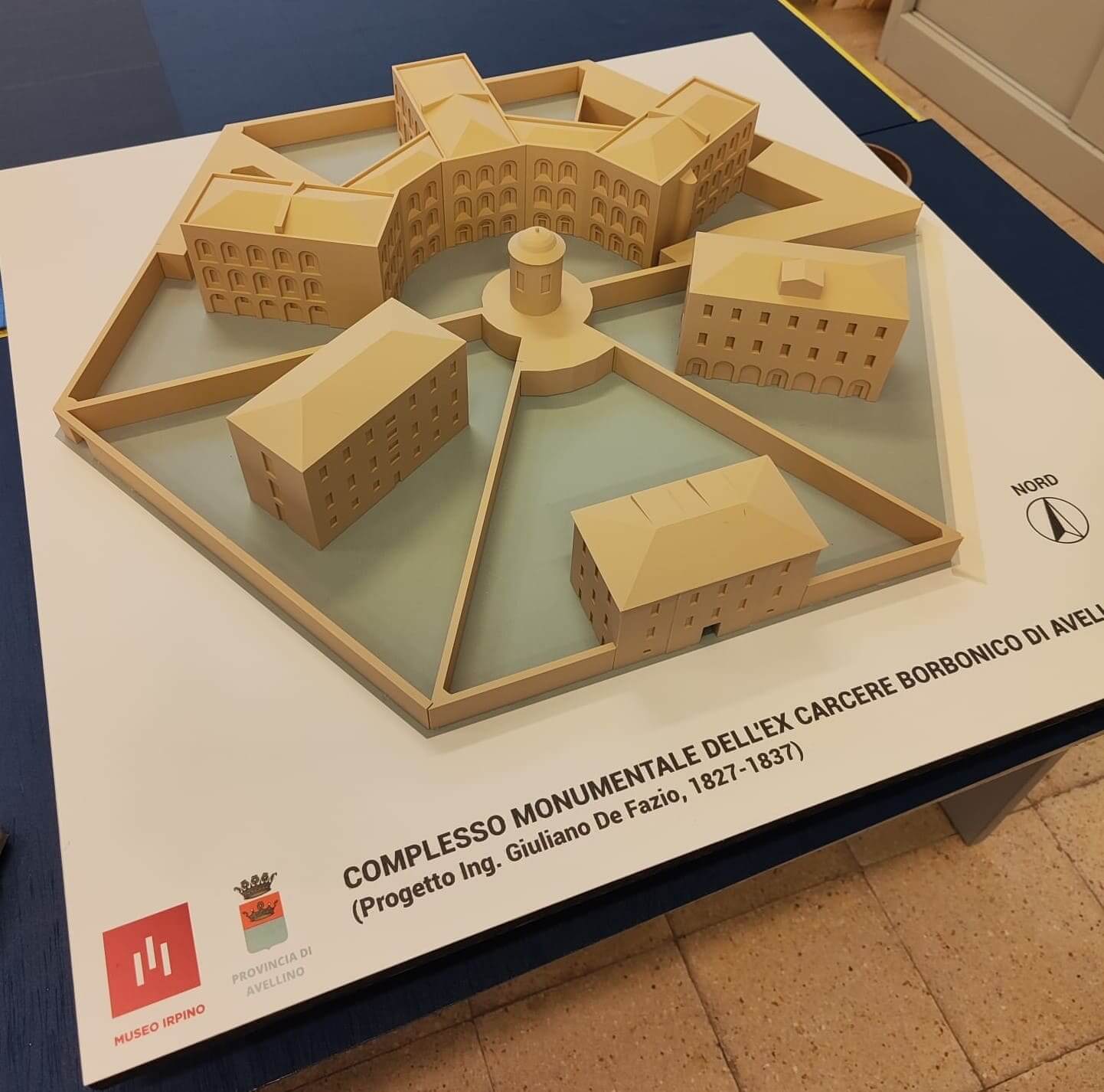
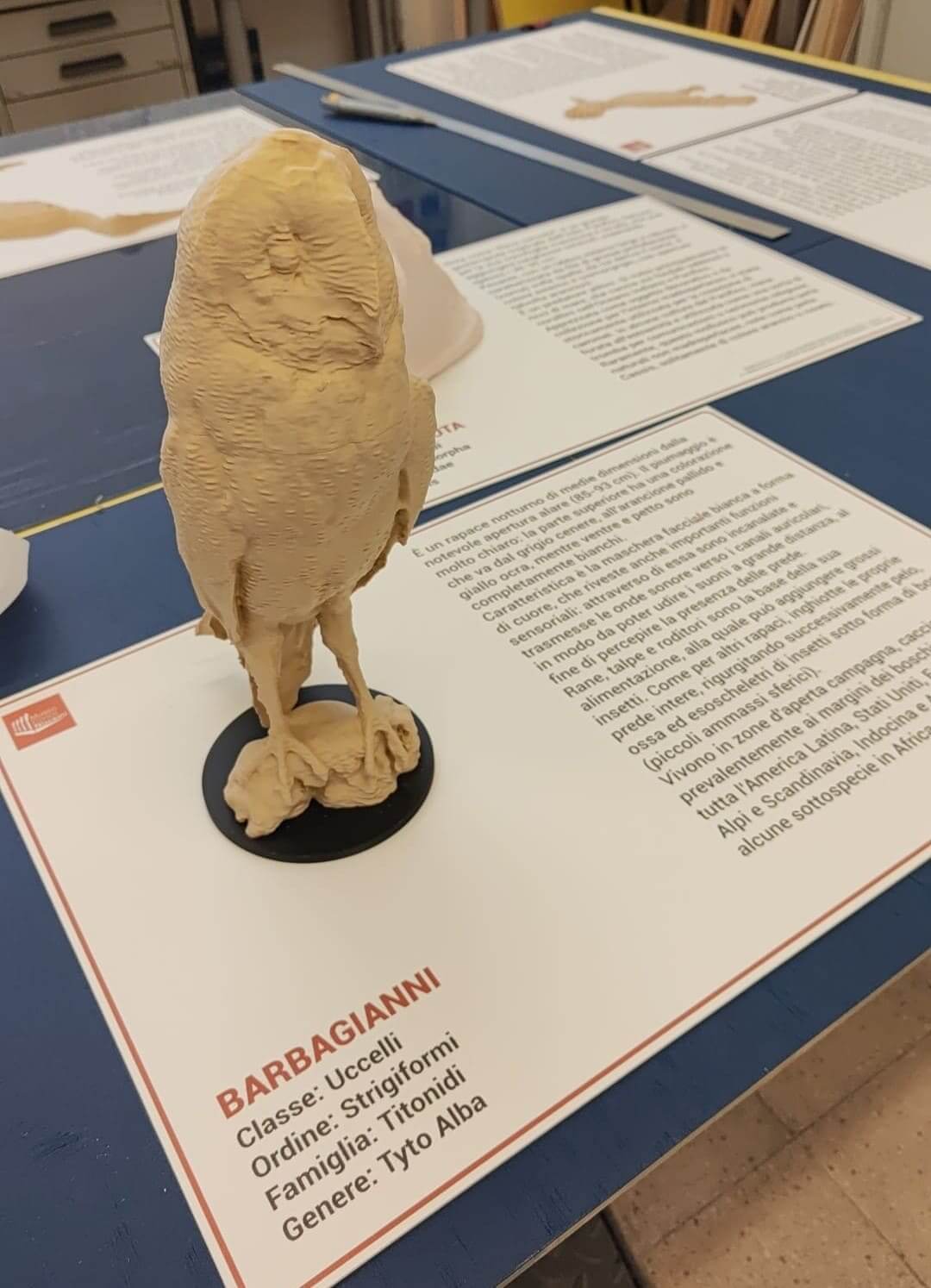
I modelli tridimensionali permettono una esplorazione tattile a tutto tondo di un oggetto a dimensioni naturali o in scala, siano essi modelli architettonici o riproduzioni di statue e manufatti, fornendo al non vedente la possibilità di comprenderne forme, volumi, geometrie ed anche particolari costruttivi.
La Stamperia realizza modelli tridimensionali tramite tecnologia di stampa 3D a filamento (da file STL fornito dal committente, tramite acquisizione con Scanner laser di ultima generazione o costruzione di file 3D con sistemi CAD) o in materiali “tradizionali” quali legno, resina e materiali acrilici.
Destinatari delle attività:
- Musei, Fondazioni, Enti ecclesiastici, Enti gestori di parchi e/o riserve naturali
- Società di gestione di infrastrutture di trasporto quali aeroporti, ferrovie, metropolitane, ecc
- Enti e associazioni di promozione del territorio e dell’ambiente
- Professionisti, tecnici, imprese di costruzioni
Per richiedere informazioni tecniche o un preventivo: ufficiotecnico@stamperiabrailleuic.it